
EU Lawmakers Strike Deal to Keep Combustion Engines Past 2035
A new compromise between major political groups in Brussels opens the door for petrol, diesel, and hybrid cars to remain in European showrooms beyond 2035.
Trusted by

The 87.5 percent compromise
The total shutdown of internal combustion in Europe has hit another political wall. Key factions in the European Parliament, spanning the center-right European People's Party, the Socialists, and the liberal Renew group, have agreed on a revised emissions roadmap. Instead of enforcing the complete tailpipe ban passed in 2023, the draft requires manufacturers to cut average passenger car carbon emissions by 87.5 percent by 2035, using 2021 figures as the benchmark.
That is a significant retreat from earlier positions. It is softer even than the European Commission's December 2025 blueprint, which aimed for a 90 percent reduction. As Manfred Weber put it, "the ban on the internal combustion engine is off the table." The new stance also outpaces a preliminary deal struck between Berlin and Paris just days ago, which sought a 90 percent cut without extra offset mechanisms.
Steel offsets and fleet math
The mechanism behind this shift relies heavily on manufacturing credits. Under the proposed text, automakers can balance up to 7.5 percentage points of their obligations by buying low-carbon steel produced within the European Union. In practice, supporting local steelworks provides companies such as Stellantis, BMW, and Volkswagen Group with legal breathing space to keep fuel-burning engines on the market.
The agreement touches medium-term goals as well. While the 2030 target for passenger cars remains at a 55 percent reduction, the emissions cut required for commercial vans drops to 35 percent, down from the 40 percent earlier requested by the Commission. Because these figures apply across a manufacturer's total fleet average rather than on individual tailpipes, carmakers will retain flexibility to sell high-emission options as long as their wider portfolio offsets the difference.
What this means for your next car
For drivers who rely on petrol, diesel, or hybrid propulsion, the legislative shift brings welcome predictability. Existing combustion cars were never going to be taken off the road under the original rules, but this compromise ensures that factory support, replacement parts, and newer showroom choices will not vanish overnight in 2035.
Hybrid systems, plug-in hybrids, and conventional petrol engines will stay on sale longer, preserving accessible entry points in vehicle segments where non-combustion alternatives carry higher upfront purchase costs. Buyers who cover big highway distances or lack off-street charging will not face an artificial deadline that forces them away from combustion power prematurely.
What to watch for
Do not treat this compromise as binding law just yet. The 2023 total emissions phase-out remains the official legal framework until this agreement clears several bureaucratic hurdles. The European Parliament has scheduled a vote for late November, after which negotiations with member states must reconcile the final text. If you plan to buy a new petrol or hybrid vehicle soon, you can proceed without worrying about imminent bans, but monitor the final legislative wording this winter to see which powertrain categories secure the longest runway.
Continue your research
All articles →-
Industry News
Honda Civic Hybrid Adds Virtual Eight-Speed Shifting
Honda updates the Civic hybrid with virtual eight-speed shifting software borrowed from the Prelude, available exclusively on higher trims.

-
Industry News
Volkswagen Just Admitted Something the Car Industry Has Been Avoiding: There Are Too Many Cars
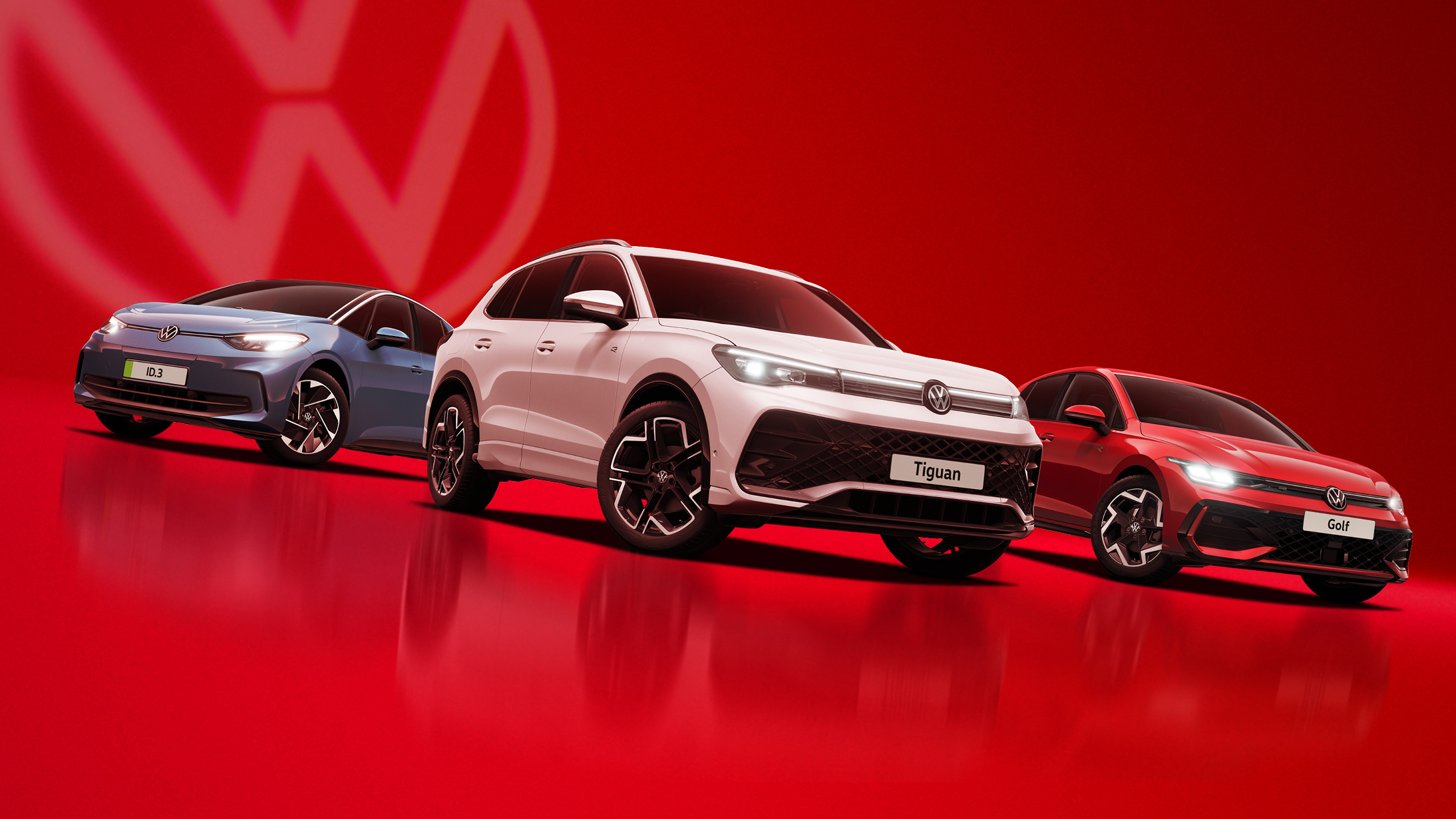
Volkswagen is planning to cut its model range by around 50% and reduce vehicle variants and options by roughly 75% by 2035. Behind the restructuring lies a bigger question for the entire automotive industry: did manufacturers create more choice than buyers ever really needed?
-
Industry News
Ford Recalls 102,000 F-Series Trucks Over Faulty Analog Gauges
Ford recalls over 102,000 F-Series pickups and heavy trucks after discovering that faulty analog dials can show false speed and engine revs.
