What If Your Car Never Became Old?
Buying a new car has always followed the same cycle. After a few years, technology moves on, safety improves, new features appear, and many people start…
Trusted by
Buying a new car has always followed the same cycle. After a few years, technology moves on, safety improves, new features appear, and many people start thinking about replacing their vehicle.
But what if that cycle disappeared?
Imagine buying a car in 2030 and still driving it in 2050—not because you had to, but because it kept evolving.
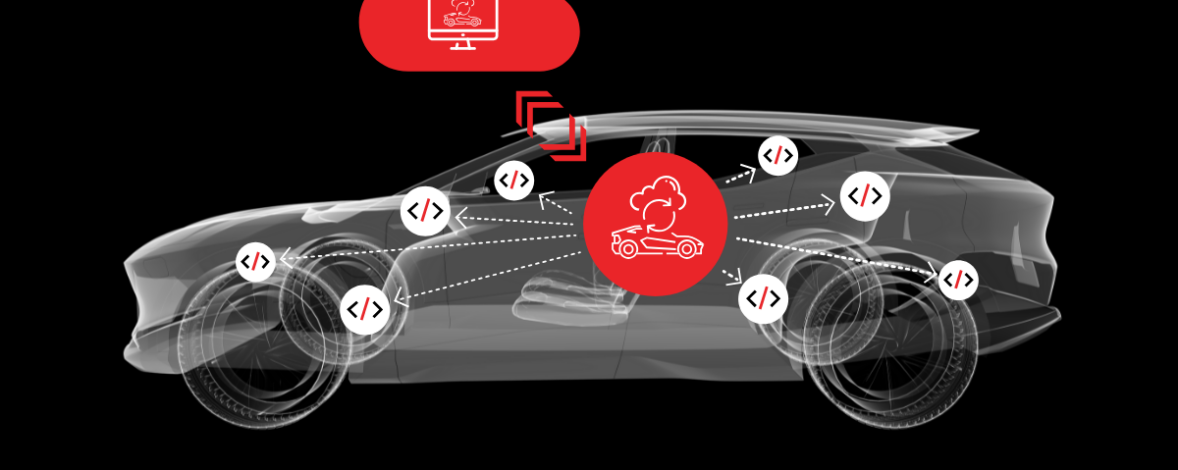
The hardware would remain largely the same, while the software would continuously improve. New driver assistance features could be downloaded overnight. The infotainment system could become faster every few years. Battery management could become more efficient through software updates, extending range without replacing a single component. Even the vehicle's artificial intelligence assistant could become smarter over time.
We're already seeing the first signs of this shift. Over-the-air updates can improve everything from charging performance to safety systems, while software-defined vehicles are allowing manufacturers to introduce features long after a car leaves the factory.
The next step could be even more ambitious. Instead of replacing an entire vehicle every decade, owners might simply upgrade specific modules. Cameras, sensors, processors or battery packs could be replaced individually, much like upgrading parts inside a computer.
The environmental benefits would be significant. Manufacturing fewer completely new vehicles would reduce the demand for raw materials and lower the carbon footprint associated with production. Consumers could also save money by upgrading only what truly needs replacing instead of buying an entirely new car.
Of course, there are challenges. Modular vehicles require standardised components, long-term software support and manufacturers willing to prioritise longevity over frequent replacement cycles. Business models across the automotive industry would need to evolve.
Yet the idea raises an intriguing question:
What if the car of the future isn't the one you replace every few years—but the one that keeps improving with you?
Perhaps the smartest car won't be the newest one.
It will be the one that never stops getting better.
Continue your research
All articles →-
Industry News
The Car Is No Longer Just a Machine: Why the Future Belongs to the Software-Defined Car
The biggest automotive challenge today is no longer only the battery or fuel economy. It is whether a car can keep evolving after purchase, learn from its own data, and defend itself against digital threats. The industry is moving rapidly toward software, edge AI, and connectivity.
-
Inside KAR
KAR AI Welcomes Iliada Kothra as a Founding Member
KAR AI adds Green Digital Marketer and communications consultant Iliada Kothra to its founding team, bringing over a decade of branding, storytelling, and social-impact experience.

-
Industry News
Honda Turns to Mitsubishi for a Real Ladder-Frame Truck
Honda plans to launch a traditional body-on-frame pickup built by Mitsubishi from 2028, targeting global markets beyond its unibody Ridgeline.

