BMW Never Built A Manual V10 X5. Twenty-Five Years Later, An Outsider Finally Did.
BMW had the X5, the V10, and a six-speed manual gearbox — it just never combined all three. A streetwear designer has now done what BMW's own M division never bothered to, dropping the E60 M5's engine into a rebuilt first-generation X5.
Trusted by
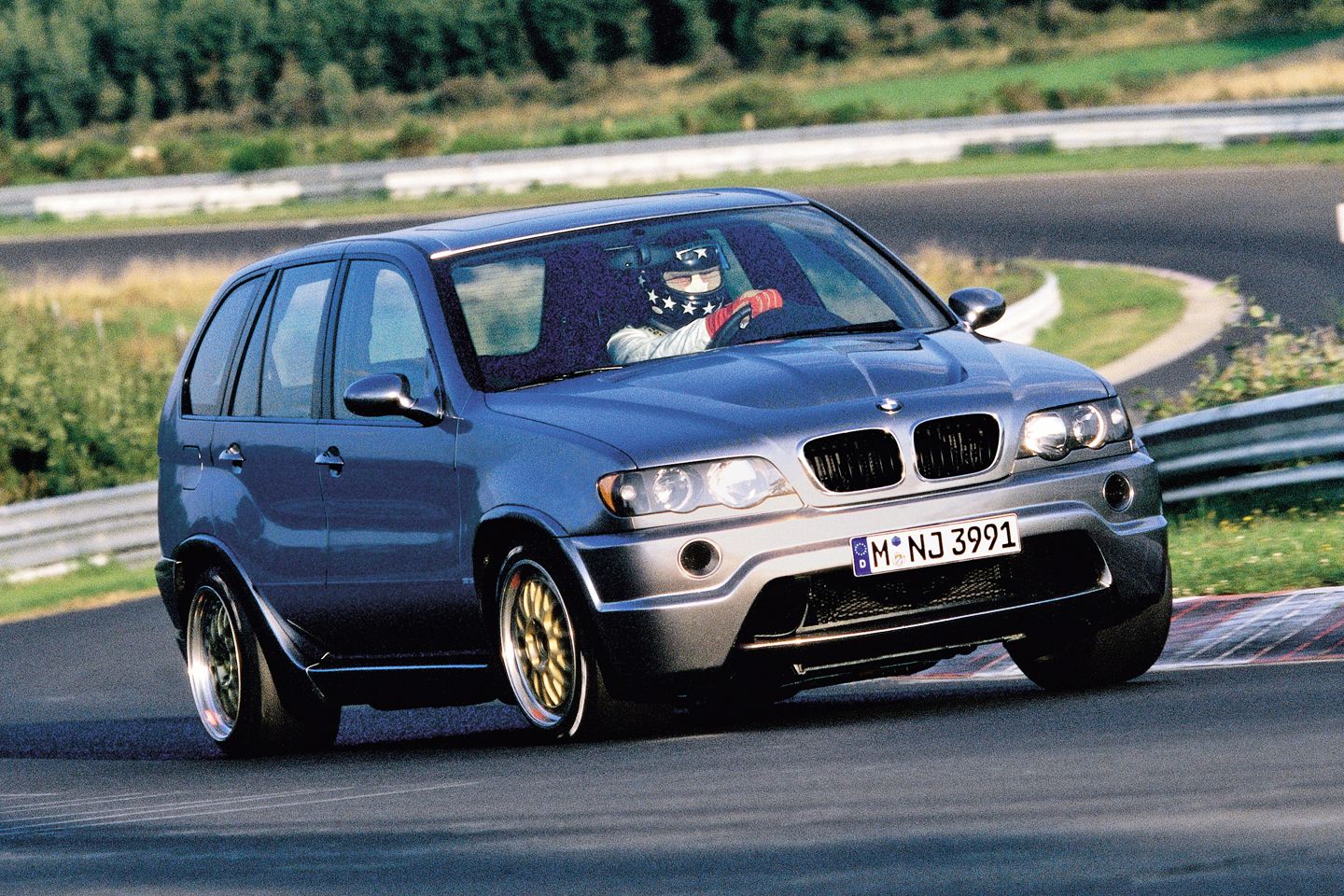
BMW had every piece it needed. The chassis existed in the original X5. The engine existed in the E60 M5. The manual gearbox existed in period BMWs of the same era. For twenty-five years, nobody at BMW put the three together. Now someone outside the company has.
The X5 That BMW Left Half-Finished
The car is a 2000 BMW X5 E53, the first generation of BMW's first-ever SUV, reportedly stripped down for a full rotisserie restoration and rebuilt around the 5.0-litre S85 V10 originally found in the E60 M5, paired with a six-speed manual transmission. According to reports on the build, it retains the X5's original all-wheel-drive hardware rather than being converted to a more modern system. The project comes from Ronnie Fieg, founder of the New York streetwear label Kith, working with BMW on a collaboration set to debut during Monterey Car Week.
The E53 Generation Never Got Its Real M Car
It's worth being precise about what makes this strange, because the strangeness is the entire point. BMW's own M division never gave the E53-generation X5 a proper M badge. The closest it came were the 4.6is and later 4.8is, V8-powered performance trims that never carried the full M treatment, along with a one-off V12-powered Le Mans concept that stayed a concept. The X5 M as most people know it today didn't exist until a much later generation, well after the S85 V10 had already come and gone from BMW's lineup. The engine that would have made the most sense for a hypothetical early-2000s X5 M was never actually offered in one — not because BMW couldn't build it, but because BMW simply didn't.
Why The S85 Is The Only Engine That Makes This Story Work
That gap is what makes the S85 the right engine for this build, rather than an arbitrary choice. It's a naturally aspirated V10 developed with input from BMW's Formula 1 program, and it's remembered as one of the most charismatic high-revving engines the brand has ever put in a road car, reportedly spinning to a redline in the 8,000-rpm range in its original M5 and M6 applications. Dropping that engine into a two-and-a-half-tonne SUV chassis it was never designed for isn't a rational engineering decision. It's an emotional one — and that's exactly why it works as a story.
A Stick Shift Makes An Already Strange Car Even Stranger
Pairing that engine with a manual gearbox, rather than a modern dual-clutch unit, pushes the project further away from anything BMW would plausibly greenlight as an official product. There's no efficiency argument for a manual V10 SUV. There's no business case. That's precisely why an independent build, rather than a factory model, is the only way this car was ever going to exist. Rowing your own gears through a Formula 1-derived V10, in a chassis built for school runs and ski trips, is the kind of contradiction petrolheads build entire personalities around.
What The Build Photos Actually Show
According to build photos shared publicly, the exterior gets a bodykit with wider fenders, side skirts, and deeper bumpers, running on five-spoke wheels with blue brake calipers, though the final specification has not been officially confirmed ahead of the car's reveal. Inside, reports point to a custom instrument cluster with a tachometer recalibrated to match the V10's redline, alongside Kith branding throughout the cabin. Fieg has reportedly described the build as the most demanding BMW collaboration he's undertaken, out of several the two have worked on previously.
Old X5, New X5, Side By Side
The X5 doesn't appear to be arriving alone. Kith and BMW are said to be revealing it alongside a separate one-off, a 2027 X5 built on BMW's new Neue Klasse platform in an exclusive silver finish, with both cars scheduled to appear together at Pebble Beach during Monterey Car Week. The pairing — a 26-year-old restomod next to BMW's newest platform — frames the story deliberately: one end of the X5's history rebuilt with the engine it never got, the other showing where the nameplate is heading next.
What's Still Unconfirmed
Several details remain unconfirmed pending the official reveal. The exact chassis and suspension changes needed to accommodate a V10 in a platform never engineered for one haven't been detailed publicly. Nor has BMW clarified the car's road-legal status, or whether the driveline retains the M5's original output figures without modification. This is being presented as a one-off commission rather than any kind of production preview, and nothing suggests a wider run is planned.
The Real Story Isn't The Spec Sheet
What makes this worth paying attention to isn't just the numbers, assuming they hold up once officially confirmed. It's the decision itself. No manufacturer greenlights a manual, naturally aspirated V10 SUV build in 2026 for commercial reasons — there's no volume to chase and no market research supporting it. It exists because a BMW enthusiast with the resources and the access spent well over a year solving a problem that BMW created and then left unresolved for a quarter of a century, and because BMW, for its part, apparently decided that was a project worth supporting rather than blocking. BMW built the X5. BMW built the S85. It took someone else twenty-five years, and one very committed restoration, to put them in the same car.
Continue your research
All articles →-
Industry News
Toyota and BMW Are Testing a New Kind of Petrol on Public Roads — Right After a Nearly Identical Promise Quietly Failed
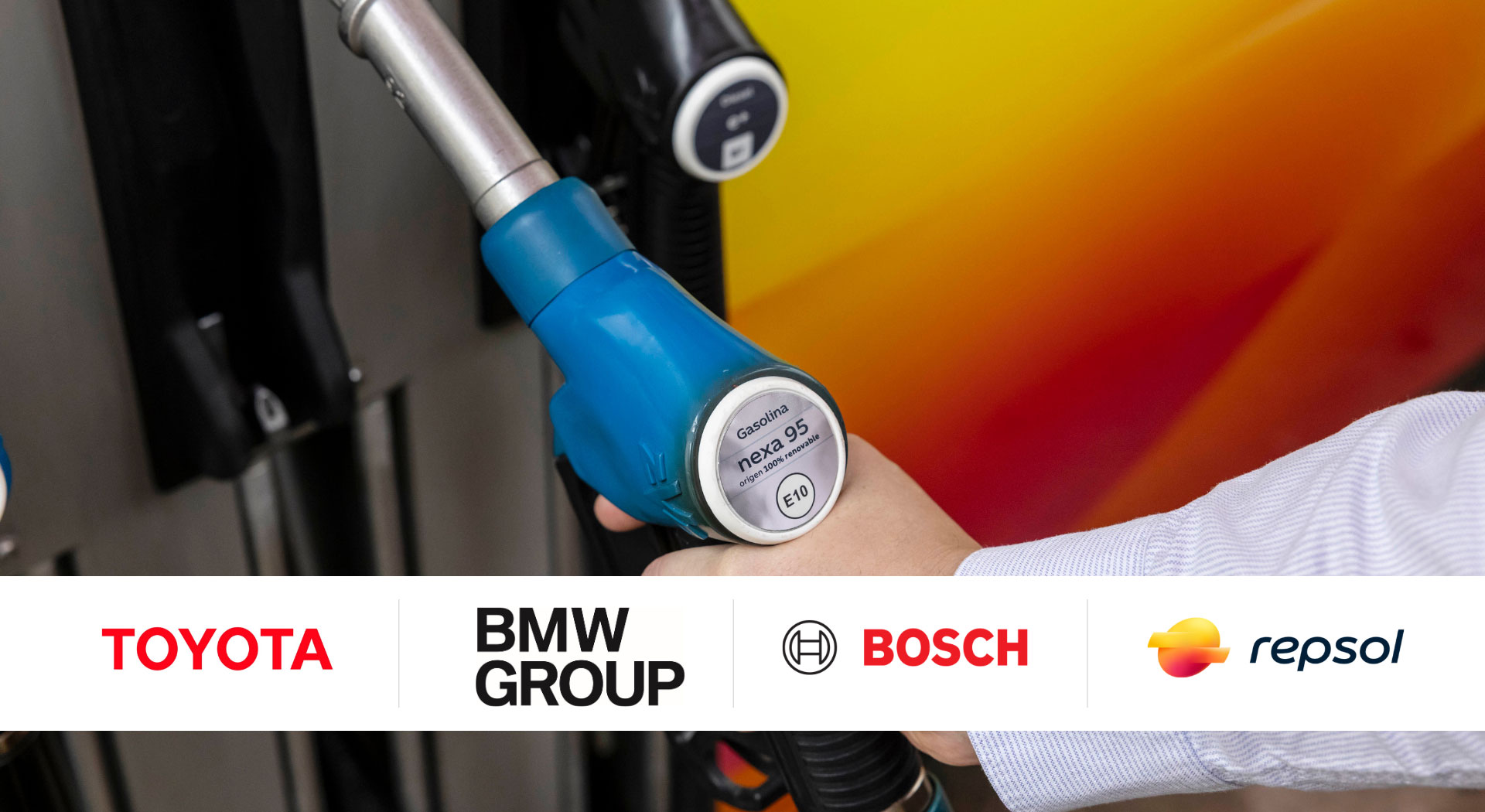
About twenty ordinary Toyota, Lexus and BMW cars in Spain are now running exclusively on a renewable petrol that didn't exist at a public pump five years ago — no new engines, no new fuel lines. Three years ago, Porsche made a strikingly similar promise about a different fuel. That project never scaled, and its own target quietly disappeared from its supplier's website.
-
Industry News
BMW Accidentally Leaked Its Entire 2027 Lineup — And It's Hiding a Surprise
A slip on BMW's own US shop revealed the full 2027 range — including an all-wheel-drive M2 nobody saw coming. Here's what's confirmed.

-
Industry News
Honda Turns to Mitsubishi for a Real Ladder-Frame Truck
Honda plans to launch a traditional body-on-frame pickup built by Mitsubishi from 2028, targeting global markets beyond its unibody Ridgeline.
