
The Last of the Last: Standing Next to ALPINA B3 GT Number 734
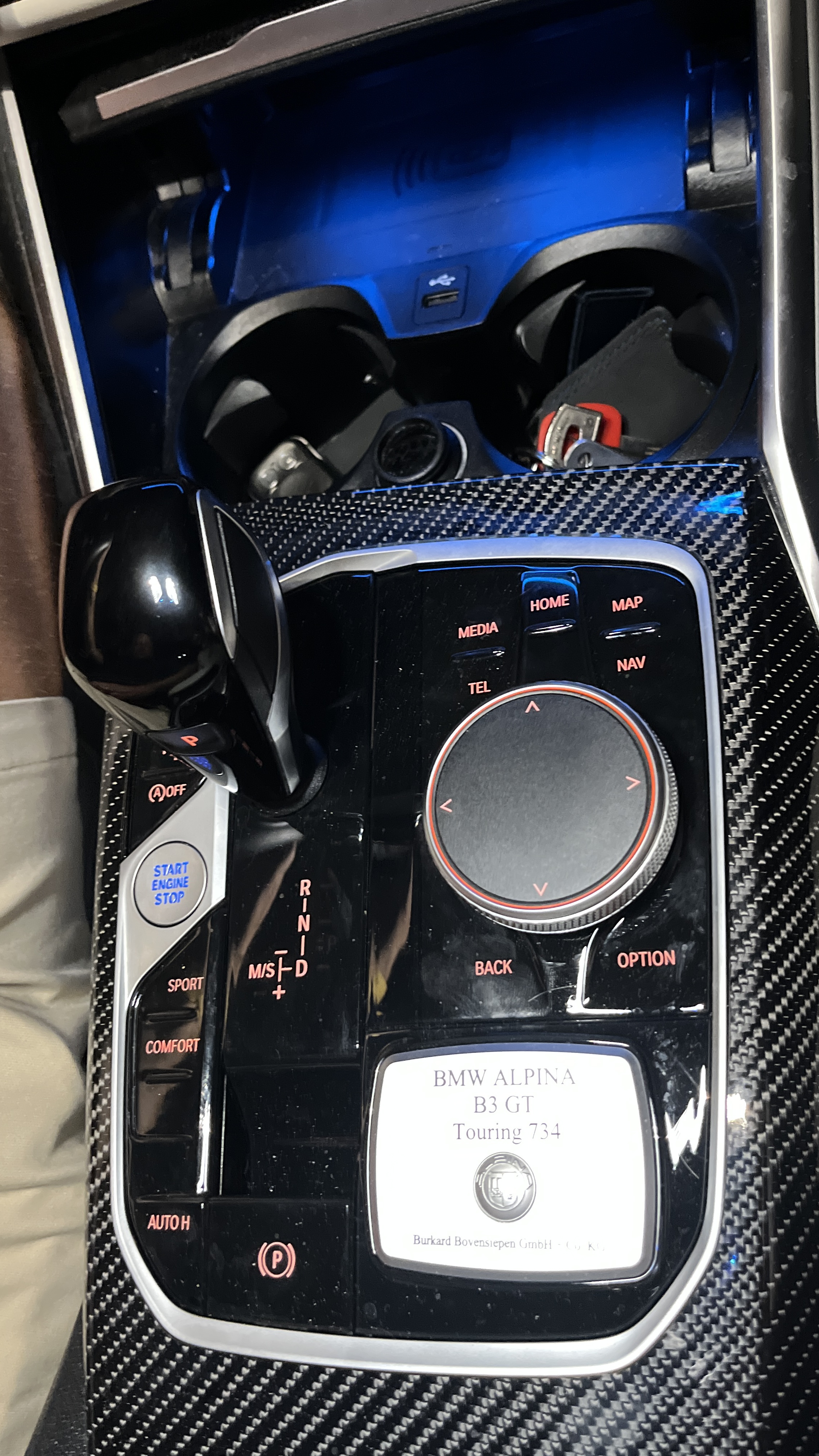
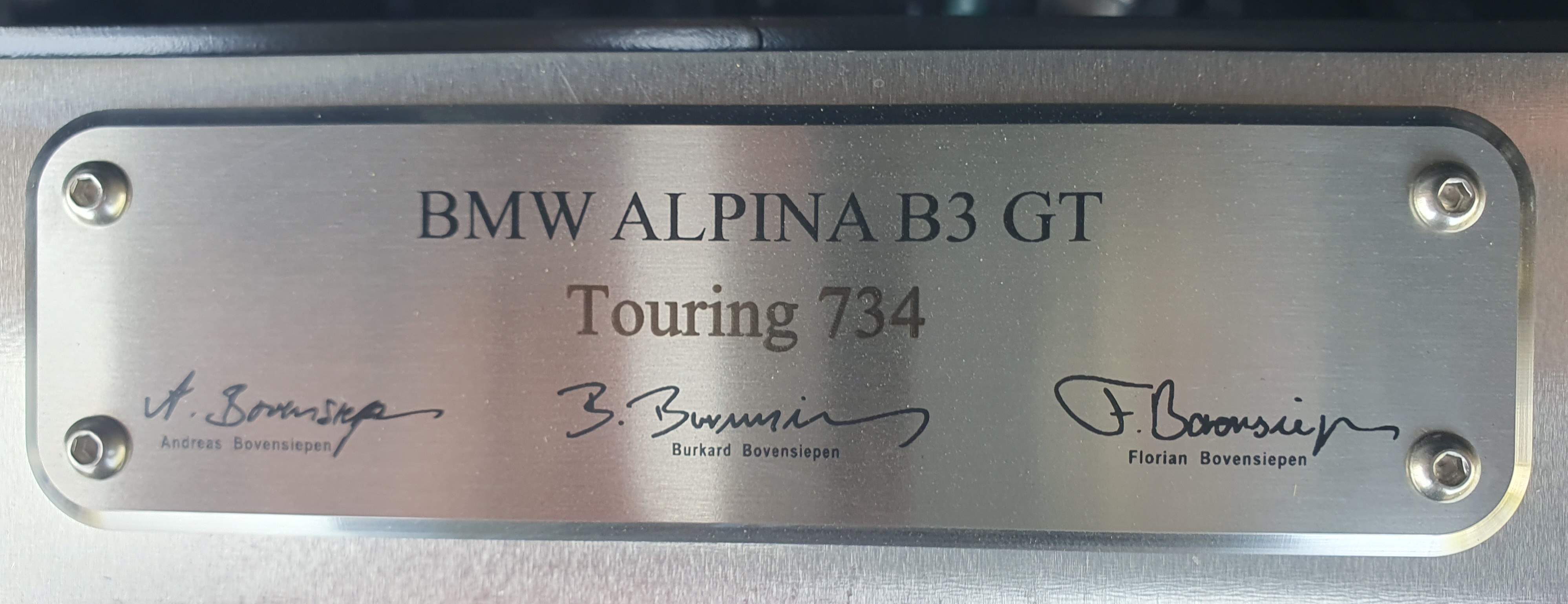
Its owner opened the door and showed me the plaque: production number 734. Meeting one of the last ALPINAs built in Buchloe in person, and understanding why a numbered car reads differently in the metal than it ever does on a screen.
Trusted by
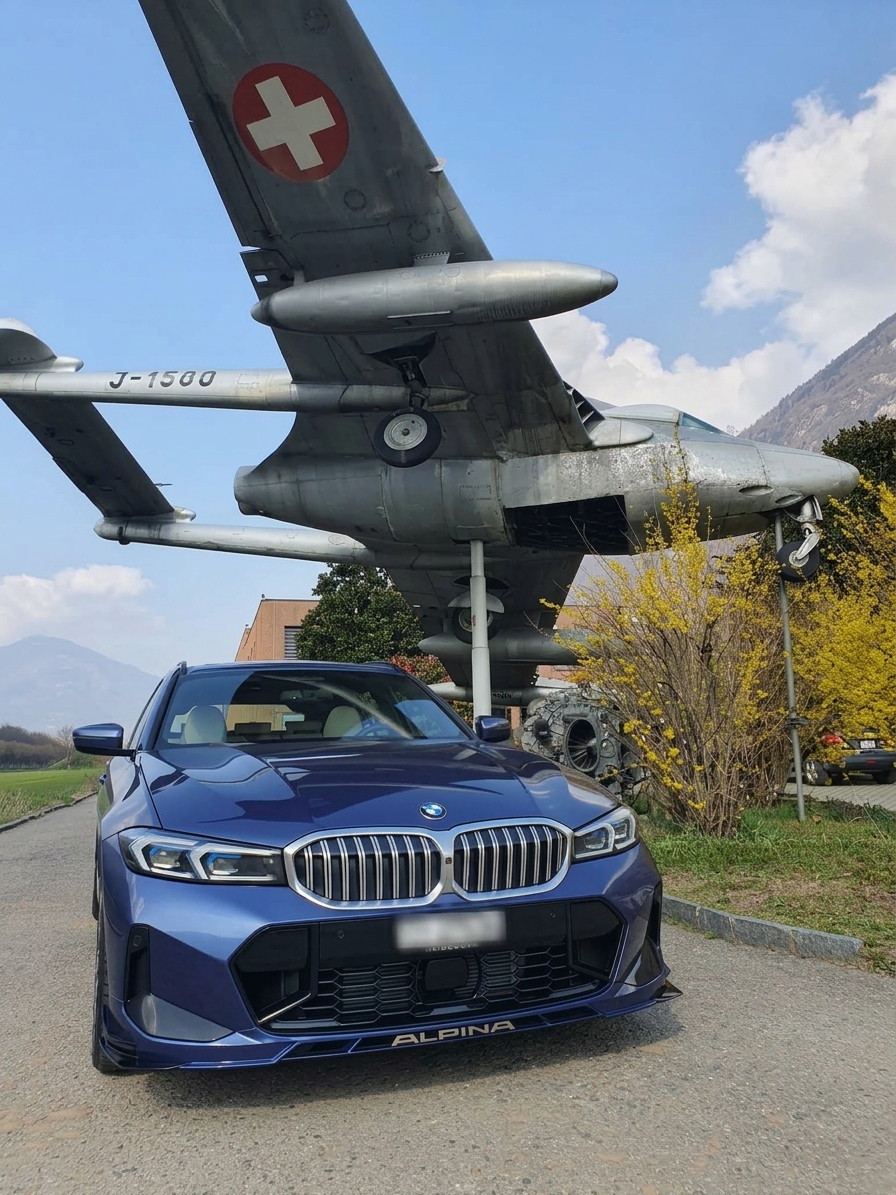
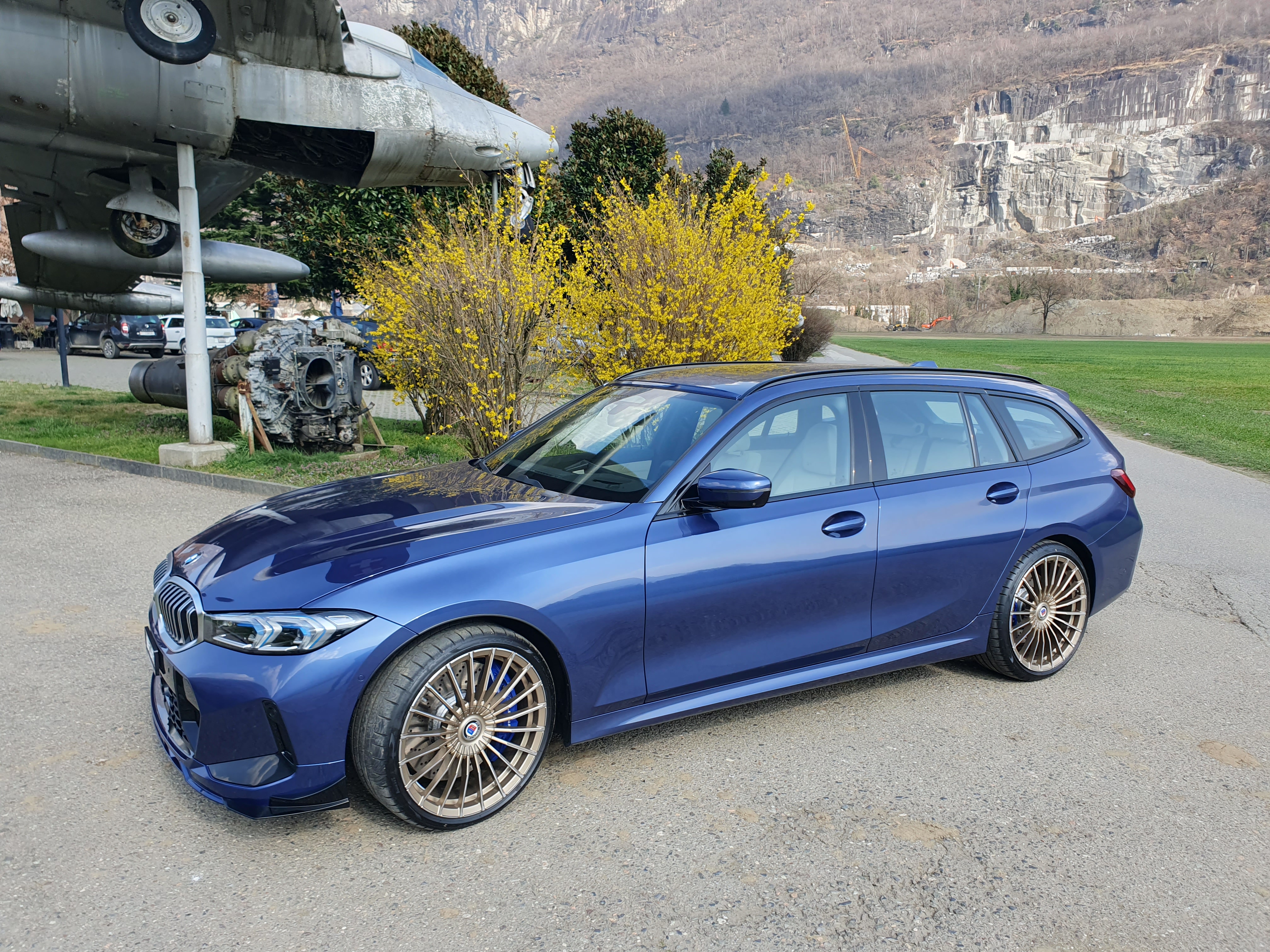
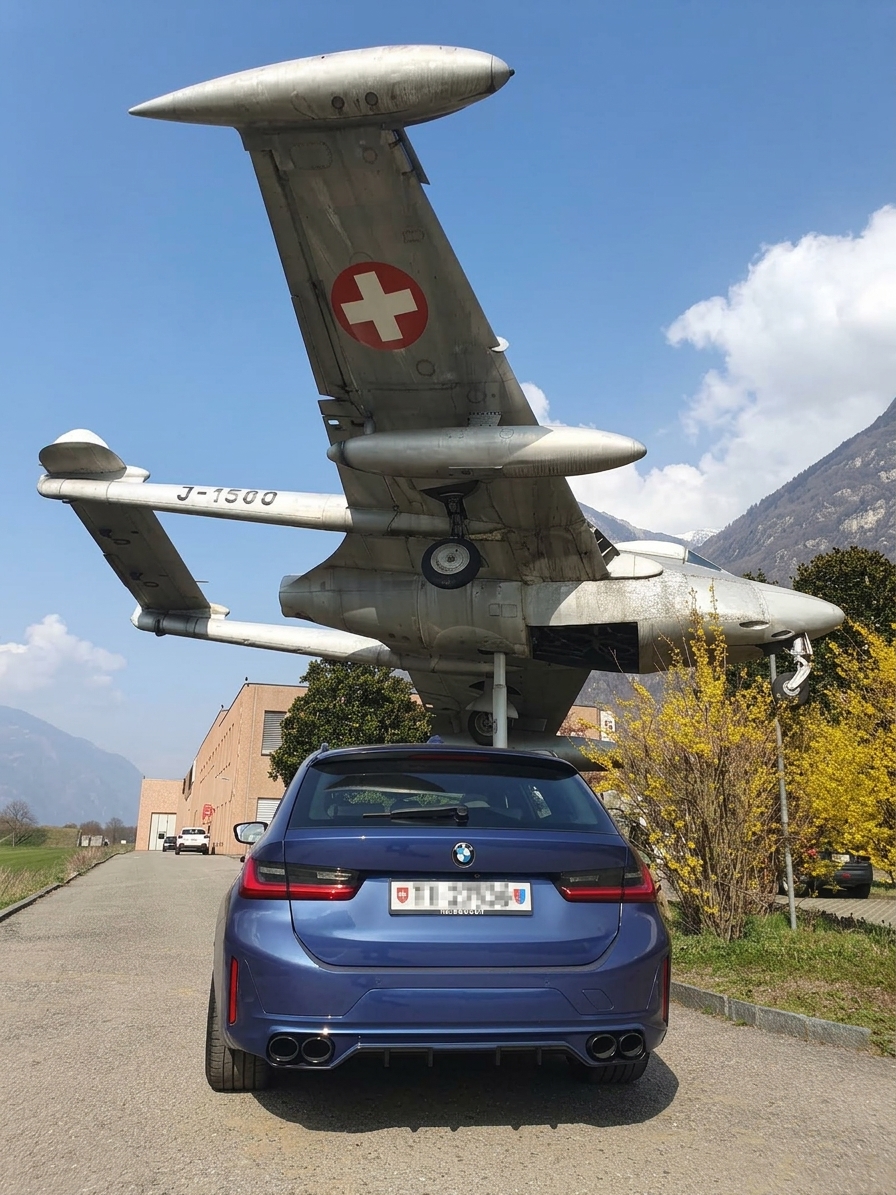
There is a particular kind of car that photographs poorly. Not because it is ugly, but because the things that make it worth caring about do not survive compression. The ALPINA B3 GT is one of those cars. On a screen it looks like a 3 Series with nice wheels. Standing next to one, it does not look like that at all.
I found this out recently, when the owner of a B3 GT offered to show me his car properly. Not a passing glance in a car park — a proper walk around, doors open, questions answered. At some point in that conversation he pointed out the production number plaque. Seven hundred and thirty-four.
That number is the reason I wanted to write this.
Why a number matters
Plenty of manufacturers hand out numbered plaques. Most of them mean very little; a badge on a trim level, printed in the thousands. ALPINA's numbering has always meant something more literal, because ALPINA was never a manufacturer in the ordinary sense. Cars arrived part-built from BMW's lines and were finished by hand in Buchloe, in a workshop where the saddlery could only turn out a handful of interiors a month. The number was not a marketing device. It was a record of how many cars a small company had actually managed to build.
And in the case of the B3 GT, the number carries a date stamp on the whole era.
In 2022, BMW and the Bovensiepen family announced that BMW would acquire the rights to the ALPINA brand, and that the long-standing cooperation agreement between the two companies would expire at the end of 2025. ALPINA continued to develop, build and sell cars from Buchloe right up to that deadline. The GT models were the final chapter: ALPINA wound down non-GT B3 and B4 production and dedicated its remaining slots to them, with roughly 1,750 GT cars planned across the range before the lights went out on the arrangement. On 31 December 2025 the brand passed to BMW, closing six decades of family-run independence. The Bovensiepens now build modified BMWs under their own name instead.
So a numbered B3 GT is not a limited edition in the manufactured-scarcity sense. It is something rarer and less contrived: a car built inside a finite window that has since closed, by a company that no longer exists in that form. Number 734 is a position in a queue that will never be extended.
What ALPINA actually did to it
The mechanical story is well documented and worth stating plainly, because the B3 GT's specification is genuinely serious.
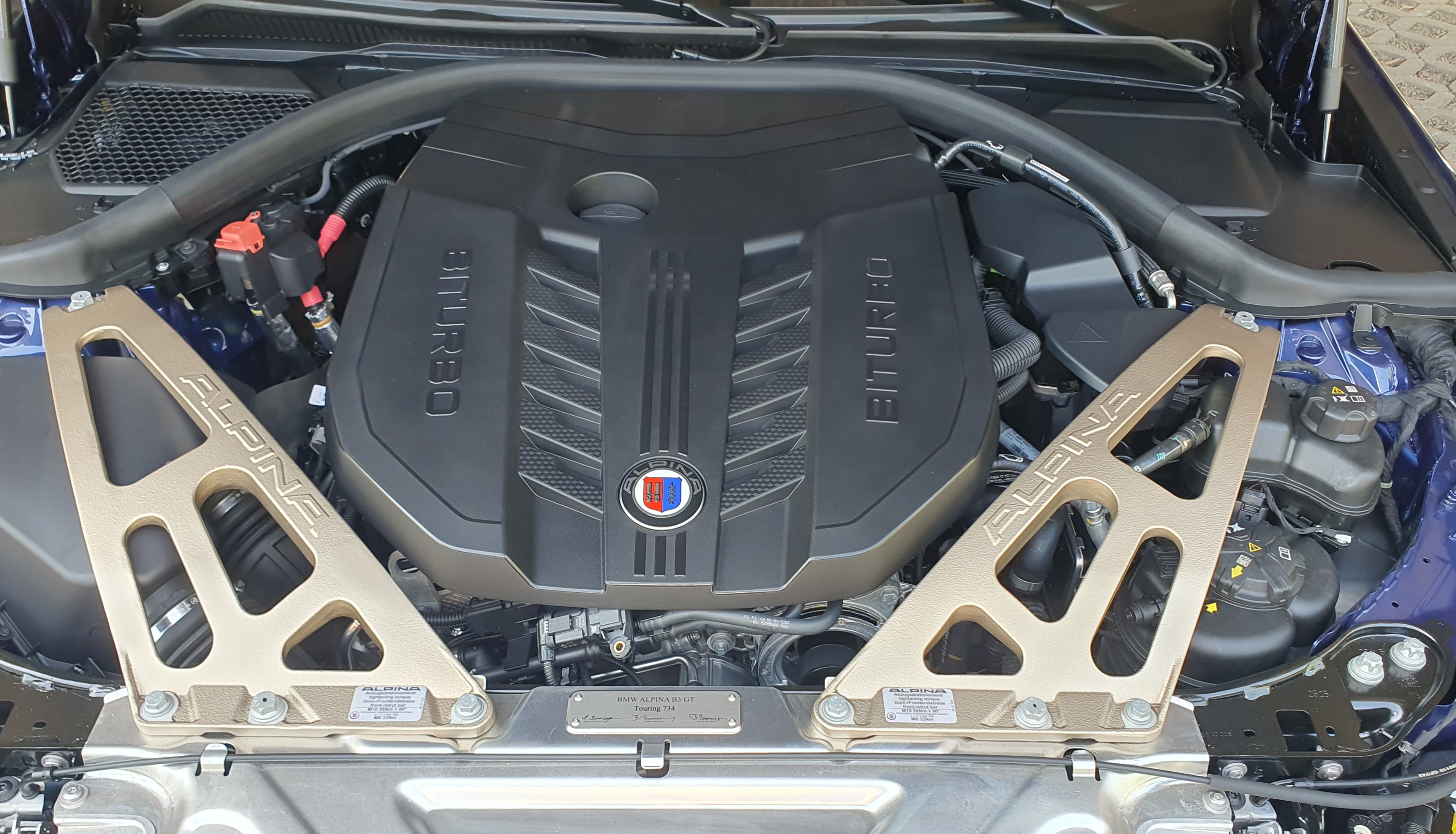
Under the bonnet is the 3.0-litre twin-turbocharged inline-six, a further development of BMW's S58, reworked by ALPINA to produce 529 hp between 6,250 and 6,500 rpm and 730 Nm from 2,500 to 4,500 rpm. That is 34 hp and 30 Nm more than the standard B3, and it puts the GT squarely level with an M3 Competition on paper. Drive goes through a ZF eight-speed automatic to all four wheels. The saloon reaches 100 km/h in 3.4 seconds, the Touring in 3.5, and the top speed sits either side of 305 km/h depending on body style.
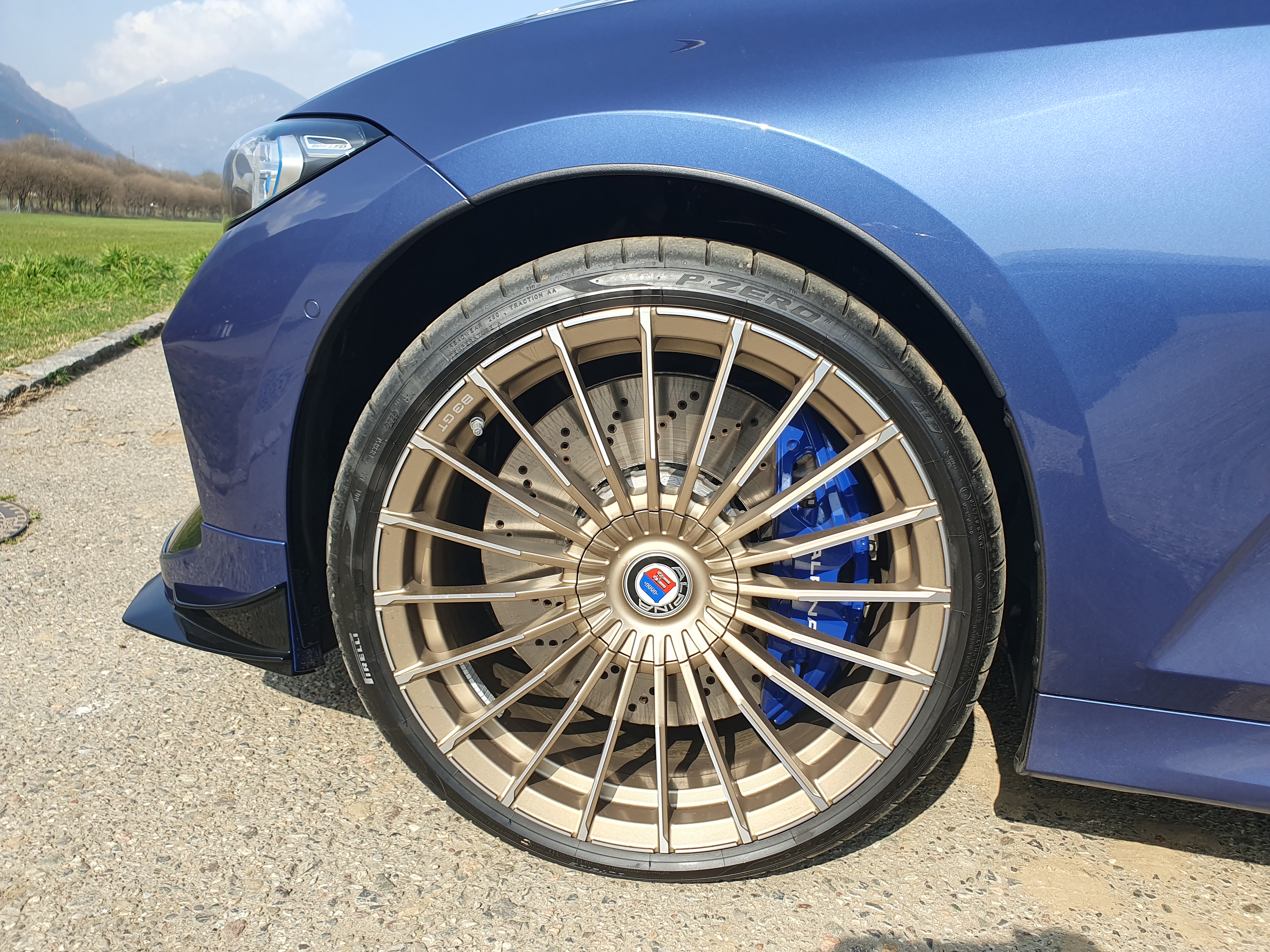
Numbers like that usually come with visual consequences. Here they mostly don't. The GT gains small canards and a splitter at the front and a redesigned diffuser at the rear, finished in black to match the exhaust tips, and that is close to the whole of it. Nothing shouts. If you did not already know what an ALPINA was, you could walk past one and register only that the wheels are unusual and the badge is unfamiliar.
That restraint is the entire philosophy, and it is old. ALPINA never chased the same brief as M. Where M optimised for the lap, ALPINA optimised for the long drive — torque low in the rev range, gearing suited to distance, damping that stays composed on genuinely bad roads rather than only on smooth ones. The result is a car that is faster than almost anything you will meet on a motorway and yet completely uninterested in telling you so.
The parts you only get in person
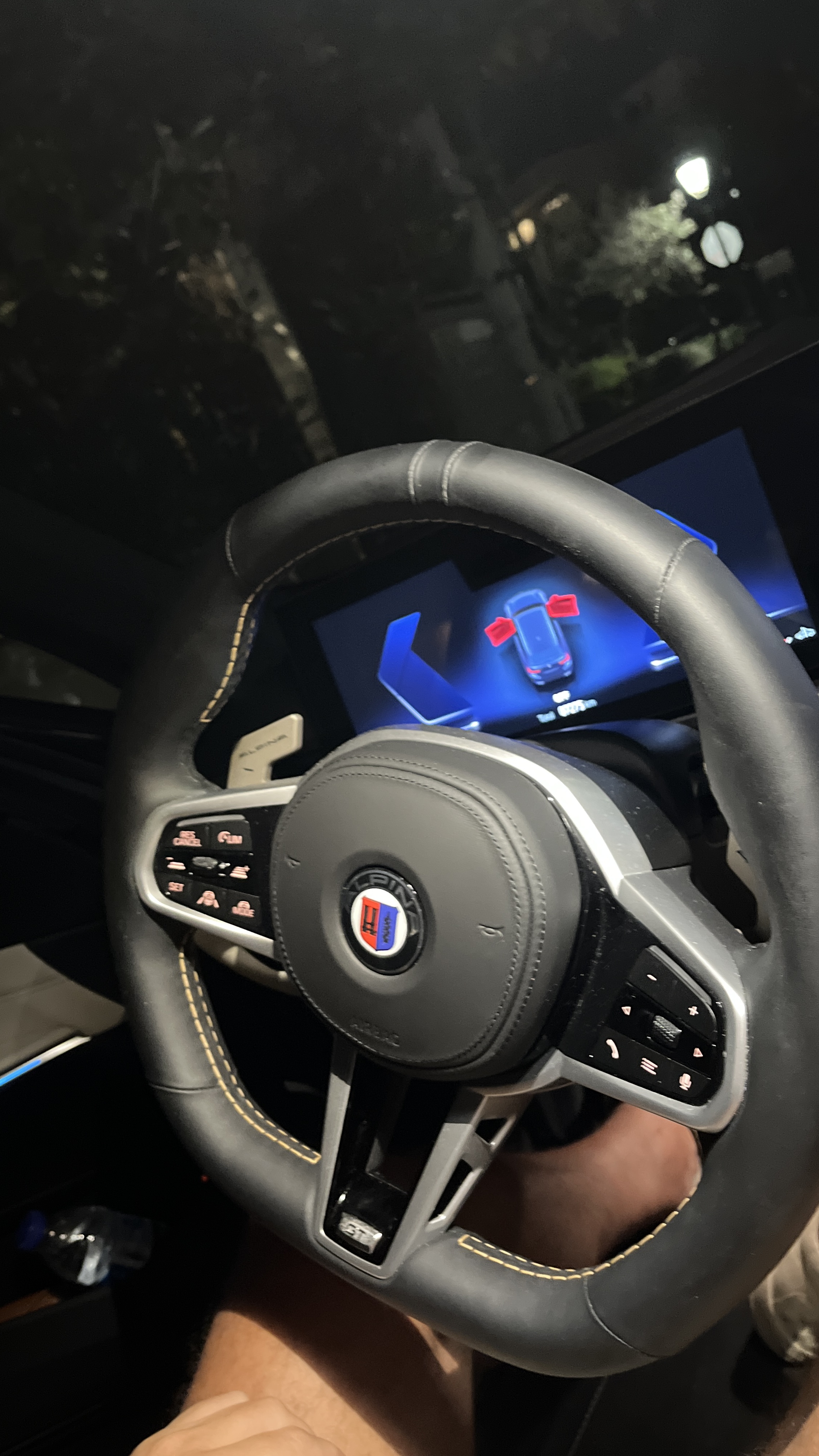
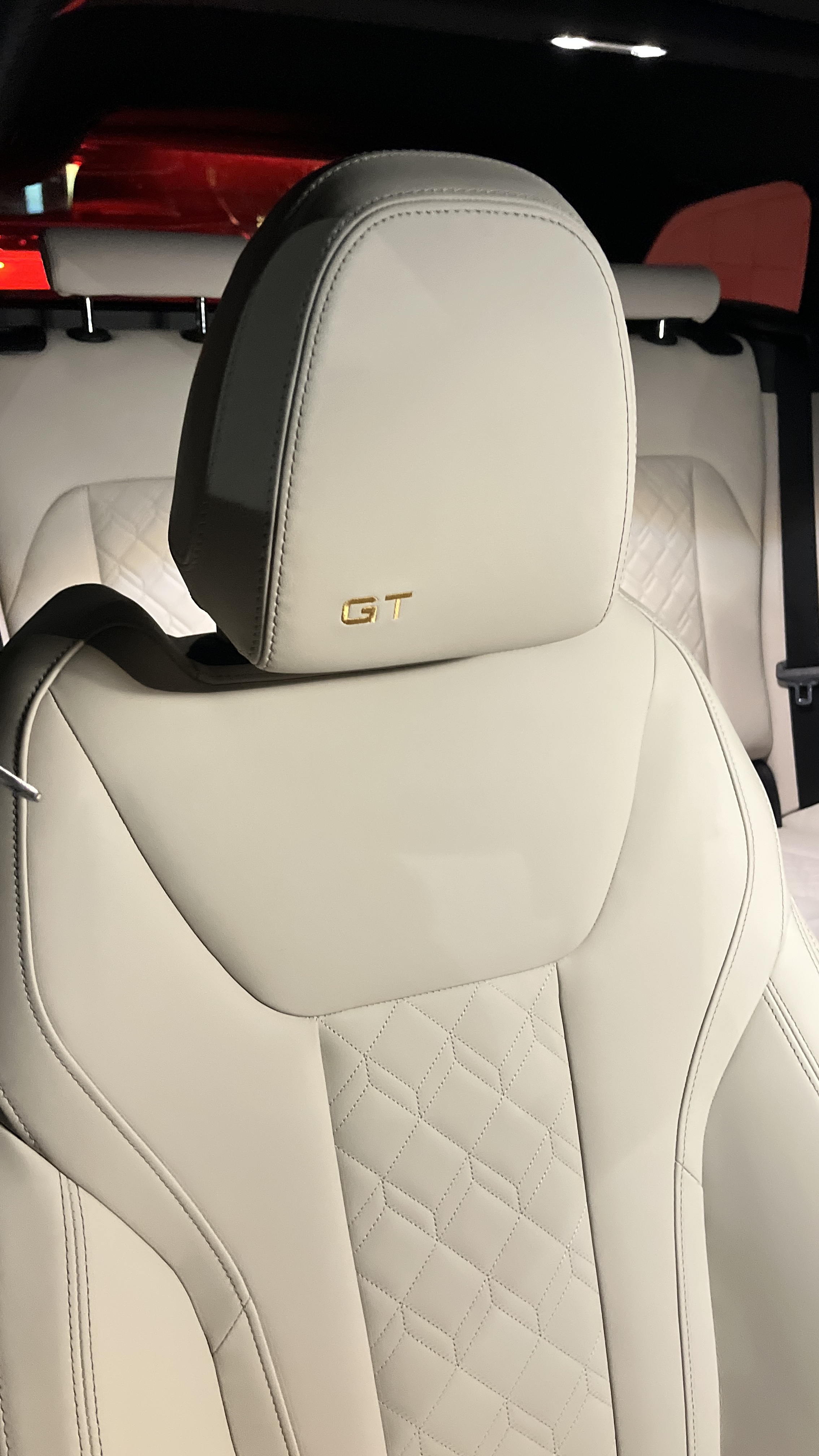
Inside is where the online photographs really give up. ALPINA's interior signature is the Oro Tecnico thread, a gold-bronze that reads as gaudy in a JPEG and as almost conservative in daylight — a thin, precise line of it on the stitching, on the anodised shift paddles, on the GT lettering in the door sills and headrests. There is a crest on the dashboard inlay and, of course, the plaque with the car's individual number.
None of this is dramatic. All of it is deliberate. The B3 GT's cabin is not trying to convince you that you are in a race car; it is trying to convince you that someone finished it by hand, which is closer to the truth than most cars can claim.
Why seeing 734 was different
I have looked at a lot of press photography of this car. Standing next to a specific one is a different exercise entirely.
Press shots are of a B3 GT — an idealised, lit, colour-corrected representative of a model. What the owner showed me was this B3 GT, with its own number, its own history starting to accumulate, and its own place in a production run that has permanently stopped. The abstraction collapses. You stop thinking about the model and start thinking about the object.
That is the thing photographs cannot transmit. Not the colour, not the stance, not even the finish — those can be captured, more or less. What cannot be captured is the sense of scale that comes from knowing you are standing beside item 734 of a set that will never grow. It converts a specification into an artefact.
The B3 GT will be remembered, correctly, as one of the last proper ALPINAs — a fast, understated, hand-finished saloon built by a family firm in its final years of independence, using a combustion engine at the point where the industry had largely decided to move on. The cars that follow, whatever badge they wear, will be built under different rules.
Number 734 has already done the only thing it needed to do. It exists, it is finished, and it is counted.

Continue your research
All articles →-
Industry News
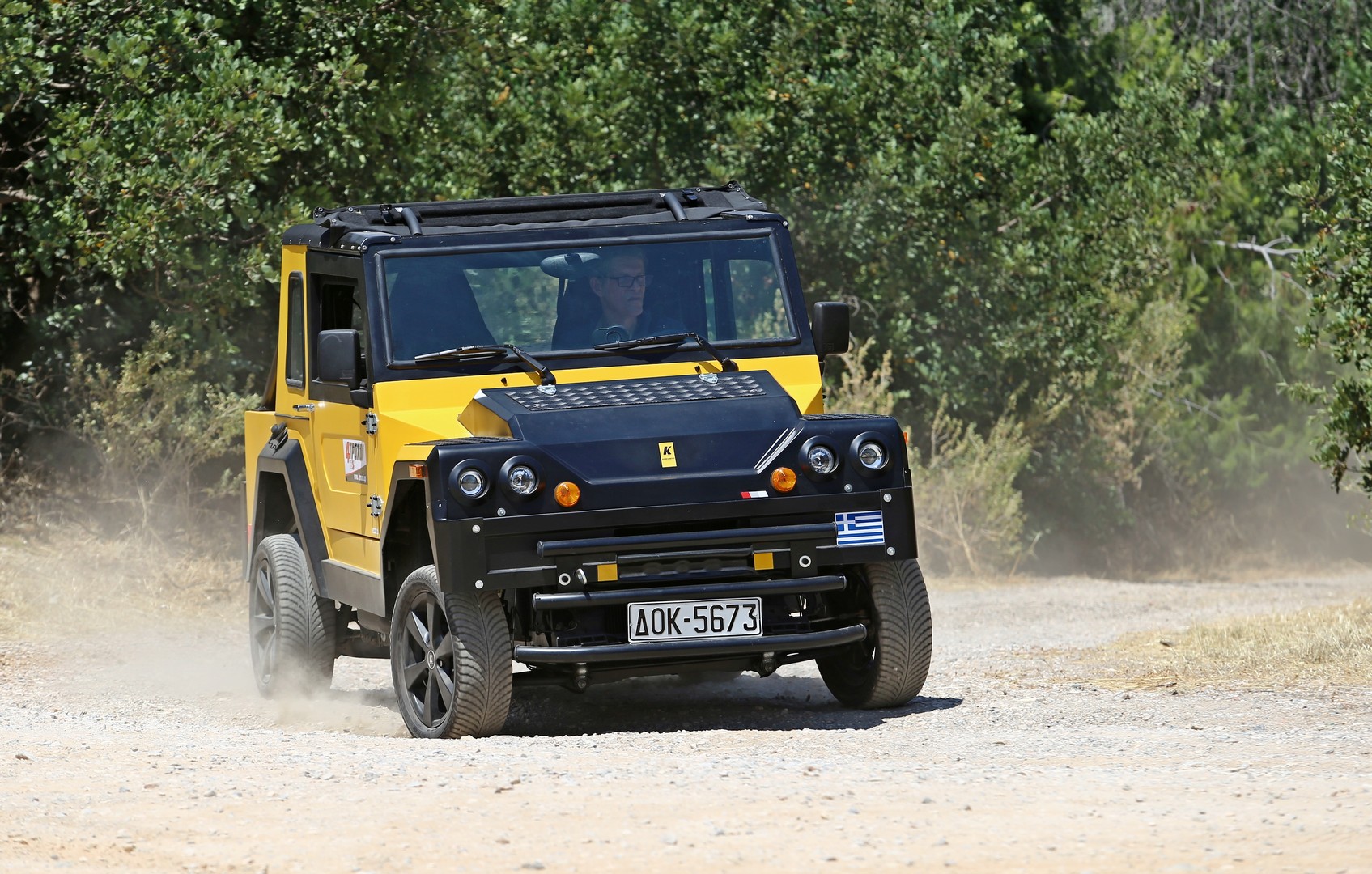
Keraboss Super K: The Greek Car That Beat the Bureaucracy
Handmade in Athens, road-legal, with a smart engine. What the Keraboss Super K is, what it costs and why it matters for the Greek car market.
-
Industry News
52 Brands, One Market: What Auto Athina 2026 Reveals About the Future of the Car in Greece
Nine days, 52 brands and 47 premieres at the Metropolitan Expo. Auto Athina 2026 closed its doors on Sunday, October 11, leaving its mark on today’s car market.
-
Industry News
Honda Turns to Mitsubishi for a Real Ladder-Frame Truck
Honda plans to launch a traditional body-on-frame pickup built by Mitsubishi from 2028, targeting global markets beyond its unibody Ridgeline.
