Keraboss Super K: The Greek Car That Beat the Bureaucracy
Handmade in Athens, road-legal, with a smart engine. What the Keraboss Super K is, what it costs and why it matters for the Greek car market.
Trusted by

For decades, "Greek car" meant an old Pony on an island somewhere, or a story that didn't end well. The Keraboss Super K changes that conversation a little. It's a small, boxy vehicle built by hand in Athens, it wears normal Greek plates, and anyone can buy one. It isn't the start of a Greek car industry. But it is proof that someone fought all the way to the finish line.
Who's behind the Super K
The car comes from Pavlos Kerabos and his wife, Stella. Pavlos has been converting cars since 1975 and knows the smart inside out, which you can see all over the Super K. Development started in the late 2000s, state approval came in 2016, and the first plates were handed over in June 2022. That's more than a decade of work to get a car under 3.4 metres legally on the road.
What it actually is
The Super K is certified as an individually approved special-build vehicle. It's not mass-produced, but it has every approval it needs to be registered as a passenger car. The galvanised chassis and polyester body are made entirely in Greece by Keraboss Cars Manufacturing and its partners. No rust, no trouble with salt air. That's why the company calls it an "island car".
The mechanicals come from elsewhere. The engine is Mitsubishi's 1.0 three-cylinder from the second-generation smart, lightly used and rebuilt, making 72 hp through a 5-speed automatic. It's rear-wheel drive, weighs just 840 kg and tops out at 145 km/h.
What it's like to drive
The 4Τροχοί test shows the Super K does exactly what it promises, no more, no less. The suspension is firm and the body barely leans, without being uncomfortable, although the rear axle hops a bit over rough patches. The steering is very light, perfect for narrow island streets. The engine has more than enough for so little weight, you just hear it a lot, because there's no sound insulation. It handles gravel and dirt roads fine, but it's not a real off-roader.
Inside it's basic and smart through and through. The test car had no side windows and no air conditioning, but ABS and ESP are there. The company has said the first cars were prototypes and improvements are coming, and a 4-seat version is available.
Price and plans
It costs €22,000 plus VAT, and the plan isn't to flood the market. Keraboss aims for around 75 cars a year, mainly for islands and rental companies.
The KAR AI take
Let's be honest: for that money you can get a new city car with far more equipment. The Super K isn't for someone looking for the most sensible buy. It's for someone who wants something different, built to survive the seaside and made locally, or a rental company that wants a car customers will remember.
What matters most isn't the spec sheet, though. The Super K showed that the road to a Greek car on sale exists, it's just much harder than it should be. After Attica, Pony, Enfield and so many efforts that stalled halfway, that alone is a win.

Continue your research
All articles →-
Industry News
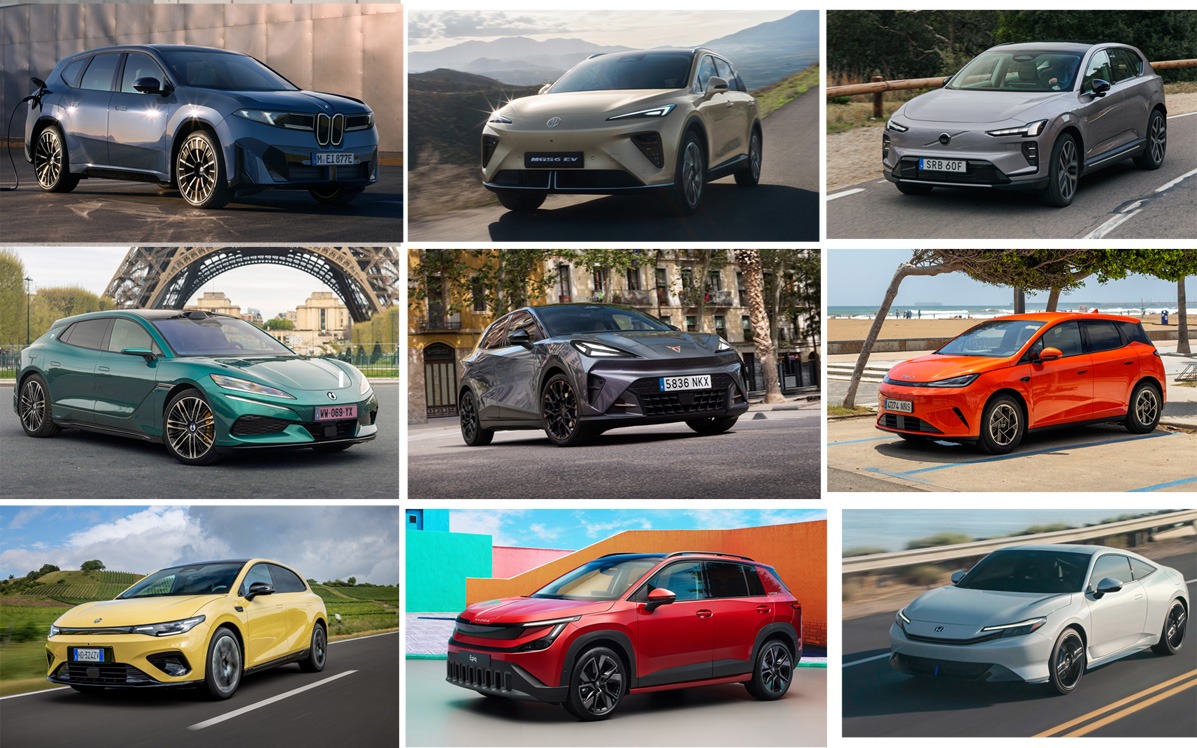
Car of the Year 2027 in Greece: The 44 Contenders, and the Petrol and Hybrid Picks Worth Your Attention
44 new models are chasing the Car of the Year 2027 title in Greece. Here's how the contest works, why this year's list is so long, and which non-electric contenders deserve a place on your shortlist.
-
Industry News
The Greek Car Market Is Sending a Clear Message: Small SUVs Are the New Default
The Greek car market is growing, but the most interesting story is not simply how many cars are being sold. It is what buyers are choosing. With B-SUVs accounting for 37% of new-car registrations so far this year, the compact SUV has become one of Greece’s defining choices. But popularity does not automatically mean suitability.
_77761_485328_type15037.jpg)
-
Industry News
52 Brands, One Market: What Auto Athina 2026 Reveals About the Future of the Car in Greece
Nine days, 52 brands and 47 premieres at the Metropolitan Expo. Auto Athina 2026 closed its doors on Sunday, October 11, leaving its mark on today’s car market.