
Shaping the Engineers of Tomorrow: How Student Engineering Competitions Inspire Innovation and Build Future Careers
Learning Beyond the Classroom As technology continues to transform the world, the demand for skilled, creative, and adaptable engineers has never been greater.…
Trusted by

Learning Beyond the Classroom
As technology continues to transform the world, the demand for skilled, creative, and adaptable engineers has never been greater. While classroom education provides the theoretical foundation, true engineering excellence is often developed through practical experience. Student competitions and extracurricular programmes—including STEM Racing, Formula Student, robotics competitions, engineering design challenges, drone competitions, and coding events—allow students to apply their knowledge to real-world problems while developing the technical and professional skills needed for successful careers. These opportunities not only prepare young engineers for the future but also contribute to the advancement of science, technology, and the automotive industry.
Turning Theory into Practical Experience
One of the greatest advantages of engineering competitions is the opportunity to put theory into practice. Students move beyond textbooks by designing, building, testing, and improving real projects. Whether developing a miniature race car, designing an autonomous robot, creating an electric vehicle, or programming intelligent systems, participants experience the complete engineering process—from initial concept to final product. This practical learning strengthens technical knowledge while encouraging analytical thinking, creativity, and problem-solving.
Developing Skills That Go Beyond Engineering
Success in engineering requires far more than technical ability. Student competitions encourage teamwork, leadership, communication, and effective project management. Participants collaborate with teammates from different disciplines, manage deadlines, solve unexpected challenges, and present their work to judges, sponsors, and industry professionals. Many projects also involve budgeting, fundraising, marketing, and public outreach, giving students valuable experience that prepares them for the collaborative environment of modern engineering companies.
Encouraging Innovation and Creative Thinking
Engineering competitions provide an environment where innovation is encouraged and experimentation is rewarded. Students are constantly challenged to improve efficiency, performance, sustainability, and reliability while exploring emerging technologies such as artificial intelligence, robotics, advanced materials, renewable energy, autonomous systems, and electric mobility. This freedom to innovate inspires students to think creatively and develop solutions that address real-world engineering challenges.
Preparing Students for Professional Careers
The experience gained through engineering projects extends well beyond school. Universities and employers highly value applicants who have demonstrated initiative by participating in technical competitions and extracurricular activities. These experiences show that students can apply theoretical knowledge, work effectively in teams, solve complex problems, and adapt to challenging situations. Many graduates who began their journey in student competitions later pursue successful careers in industries such as automotive engineering, aerospace, robotics, software development, renewable energy, and advanced manufacturing.
Contributing to the Future of Technology and Industry
The impact of these programmes reaches beyond individual participants. As students develop innovative ideas and practical solutions, they contribute to the continuous evolution of engineering and technology. Fresh perspectives from young engineers often inspire new approaches to improving transportation, automation, sustainability, healthcare, and manufacturing. By nurturing curiosity and creativity at an early stage, these activities help build the workforce that will shape the industries of tomorrow.
Inspiring the Next Generation of Engineers
Perhaps the most valuable outcome of engineering competitions is the confidence they instill in young people. Every obstacle overcome, every prototype improved, and every lesson learned helps students grow not only as engineers but also as resilient, determined individuals. These experiences teach that failure is an opportunity to learn, collaboration leads to stronger solutions, and innovation begins with curiosity. More importantly, they inspire students to believe that they have the ability to solve meaningful global challenges through science and engineering.
Investing in Tomorrow's Innovators
Student engineering competitions and STEM programmes play a vital role in preparing the next generation of innovators. By combining academic knowledge with practical experience, they bridge the gap between education and industry while fostering technical excellence, creativity, teamwork, and leadership. As the world continues to face increasingly complex technological and environmental challenges, these programmes will remain essential in developing the engineers, scientists, and innovators who will design the solutions of the future. Investing in these opportunities is not only an investment in students—it is an investment in the future of society itself.
Opportunities for Every Student
Students can begin their engineering journey by joining STEM clubs, robotics teams, science fairs, engineering societies, or school competitions appropriate for their age group. As they gain experience, they can progress to larger national and international competitions, such as STEM Racing, Formula Student, robotics championships, and other engineering challenges. These opportunities allow students to develop their skills step by step, proving that with curiosity, dedication, and perseverance, anyone can begin the path toward becoming an engineer and making a meaningful impact on the future.

Continue your research
All articles →-
Industry News
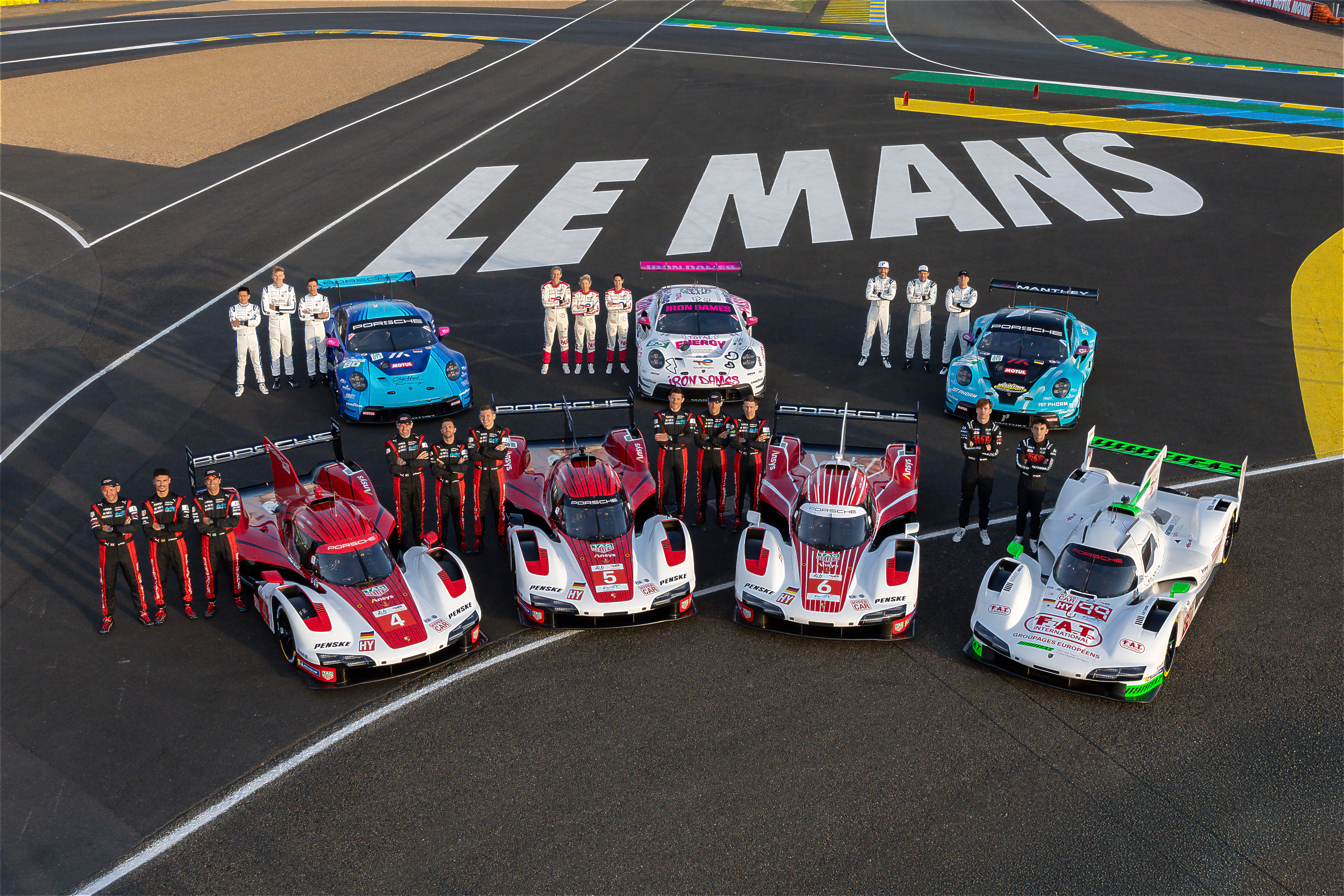
Why Everyone Wants to Win Le Mans Again: The Race That Became More Important Than Formula 1
For decades, Formula 1 has represented the ultimate motorsport dream. But today, the world’s biggest automotive manufacturers are returning to a different battlefield: the 24 Hours of Le Mans. With Ferrari, Porsche, Toyota, BMW, Cadillac and other giants fighting for victory, Le Mans has become more than a race. It is a global engineering competition where performance, reliability and innovation are tested under the harshest conditions. Why is winning Le Mans becoming one of the most valuable achievements in the automotive world?
-
Industry News
Honda Turns to Mitsubishi for a Real Ladder-Frame Truck
Honda plans to launch a traditional body-on-frame pickup built by Mitsubishi from 2028, targeting global markets beyond its unibody Ridgeline.

-
Industry News
Car of the Year 2027 in Greece: The 44 Contenders, and the Petrol and Hybrid Picks Worth Your Attention
44 new models are chasing the Car of the Year 2027 title in Greece. Here's how the contest works, why this year's list is so long, and which non-electric contenders deserve a place on your shortlist.