McLaren’s 34-Year Ban Is Over: The First Manual Supercar Since the F1 Just Dropped at Monterey
For over a decade, the British brand insisted human hands were simply too slow for their hyper-analytical supercars. With the unexpected reveal of the V8-powered, manual McL 6GT concept, McLaren just admitted they were wrong.
Trusted by

The Fall of the Paddle-Shift Monopoly
Since the launch of the MP4-12C in 2011, McLaren has built its modern reputation on a foundation of cold, clinical science. They gave us carbon tubs, twin-turbo V8s, and lightning-fast dual-clutch gearboxes. For over a decade, their engineering department repeatedly insisted that manual transmissions were obsolete—that in the modern era of hyper-speed, human hands simply couldn't keep up.
But at Monterey Car Week 2026, the kings of clinical speed officially surrendered.
In a shocking move that fundamentally changes the trajectory of the supercar industry, McLaren unveiled the McL 6GT—the brand's first true manual transmission supercar since the legendary Gordon Murray-designed F1 of 1992.
The Death of the Spec Sheet
What makes the McL 6GT so incredibly important isn't just the gear stick; it is the philosophy behind it. In their official communications, McLaren deliberately withheld horsepower figures, top speed, and 0-100 km/h times.
Instead, they confirmed the details that actually matter to driving purists:
- The Powertrain: A pure, unadulterated V8 engine paired exclusively with rear-wheel drive.
- The Steering: Traditional, tactile hydraulic steering, shunning the numb electronic setups that dominate the current market.
- The Chassis: A lightweight, full carbon-fibre monocoque wrapped in carbon-fibre body panels featuring a stunning Kammback-style rear and a new "Racing Loop" tail-light signature.
This car is the ultimate proof that the "horsepower war" is over. The new battleground is pure driver engagement.
Inside the Analogue Cabin
The interior of the McL 6GT is a masterclass in tactile engineering. McLaren has stripped away the digital excess.
The centrepiece is, of course, the bespoke manual gear lever. Framed by exposed carbon-fibre trim and machined aluminium controls, the upright gearknob features a 3D-milled "Speedy Kiwi" emblem embedded directly into it. Every switch, dial, and touchpoint has been engineered to offer heavy, mechanical feedback. You aren't just selecting a drive mode; you are physically interacting with the machinery.
A Ghost from the 1960s
The emotional weight of this car goes far beyond a new gearbox. The McL 6GT is heavily inspired by the original M6GT—Bruce McLaren’s unfinished dream of converting the dominant M6A Can-Am race car into the ultimate road-going supercar in the late 1960s. Tragically, Bruce passed away before the project could reach production.
By anchoring their first manual supercar in 34 years to Bruce’s original vision, McLaren has injected a massive dose of soul into a brand previously known for data-driven perfection.
The KAR AI Verdict
For years, European purists and driving enthusiasts have argued that chasing lap times was ruining the modern supercar. Cars became too fast to enjoy on public roads and too isolating to feel exciting at normal speeds.
The McL 6GT is vindication. If the most analytical supercar manufacturer on earth has decided to build a road-going, manual V8 scheduled for production in 2028, it means the market has spoken. The era of the spec sheet is dead; the era of the driver is back.
Continue your research
All articles →-
Industry News
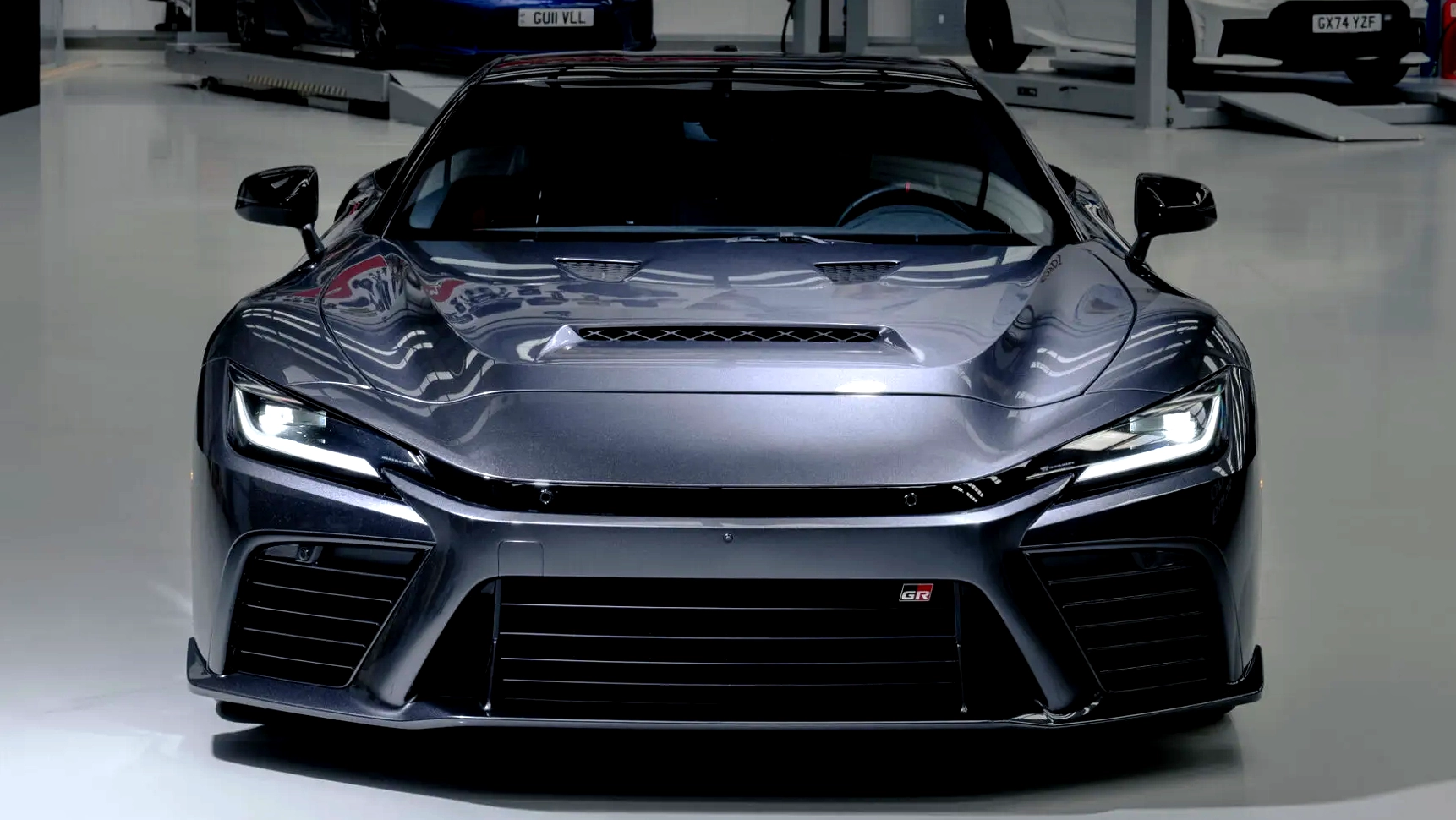
Toyota Doesn't Just Want to Sell You the GR GT — It Wants to Know You'll Drive It
The new Toyota GR GT is already spoken for in the United States before it has properly reached customers. But its scarcity isn't the most interesting part. Toyota deliberately wants its first cars to go to people who will actually drive them, not collectors who will lock them away. And that says far more about the future of performance cars than another horsepower figure ever could.
-
Industry News
Honda Turns to Mitsubishi for a Real Ladder-Frame Truck
Honda plans to launch a traditional body-on-frame pickup built by Mitsubishi from 2028, targeting global markets beyond its unibody Ridgeline.

-
Industry News
Car of the Year 2027 in Greece: The 44 Contenders, and the Petrol and Hybrid Picks Worth Your Attention
44 new models are chasing the Car of the Year 2027 title in Greece. Here's how the contest works, why this year's list is so long, and which non-electric contenders deserve a place on your shortlist.