Lotus Brings Back the Esprit With a Hybrid V8
Lotus is reviving the iconic Esprit badge for a new hybrid supercar arriving in 2028, packing a twin-turbo V8.
Trusted by

Shifting Gears Away From Pure Electric Plans
Slowing demand for battery-powered vehicles forced a shift in strategy at Lotus, moving the brand away from an all-electric lineup toward a target mix of sixty percent hybrids and forty percent electric vehicles. The first sign of this strategy change is the internal combustion supercar scheduled for 2028, carrying the internal codename Type 135. Industry expectations point directly to the return of the legendary Esprit badge, placing the newcomer higher than the Emira and underneath the pure electric Evija.
A New Twin-Turbo Engine Family
At the mechanical core of the top specification is a brand new four-liter V8 developed by Horse Powertrain, a joint venture involving Renault, Geely, and Aramco. This W40 unit features a hot vee layout with turbochargers nestled between the cylinder banks to keep the architecture compact. The combustion engine alone weighs two hundred kilograms and pushes out over 680 horsepower alongside 800 Nm of torque. Bolted to this engine is an eight-speed dual-clutch transmission with an integrated electric motor, capable of handling up to 1,050 Nm of input torque.
Power Figures and Market Rivals
With electrical assistance added to the mix, company CEO Feng Qingfeng noted that total system output is expected to surpass one thousand horsepower. Lotus aims squarely at high performance heavyweights, with company leadership pointing to competitors like the Ferrari 849 Testarossa. A more accessible variant is also planned, using a 3.0-liter twin-turbo V6 engine known as the W30. This smaller setup delivers 544 horsepower before hybrid support, creating a lighter package that sheds forty kilograms compared to the V8.
What to Watch Next
Buyers waiting for the new supercar should keep a close eye on final performance specifications, as official figures have not been locked in yet. Watch for official prototypes testing on public roads, since current impressions lean heavily on teaser images and design cues borrowed from the Theory 1 concept.
Have something to say about cars too?
Write an article for KAR, free. We read it before it goes live, under your name.
Think something in this article infringes your copyright? Tell us.
Continue your research
All articles →-
Industry News
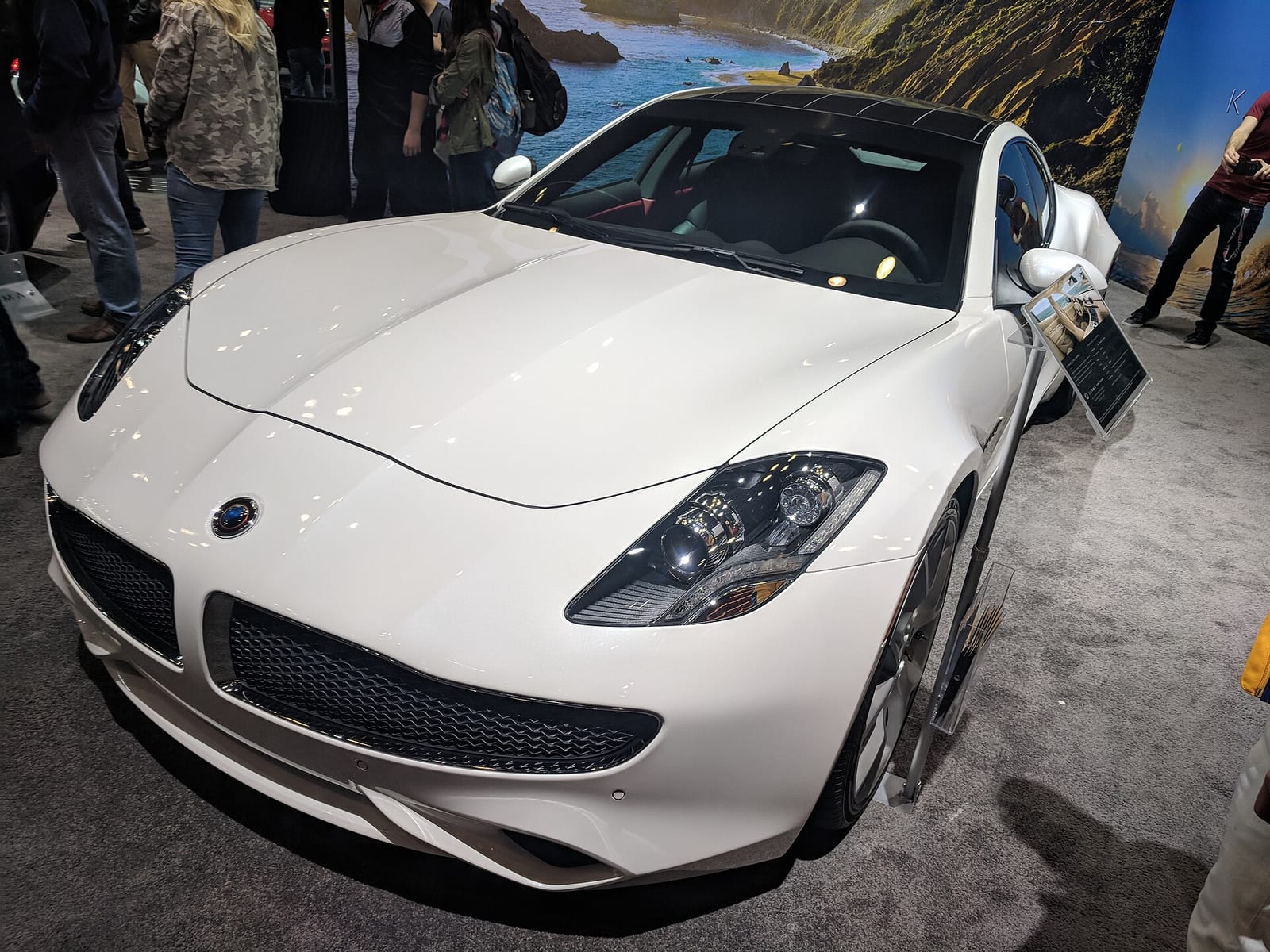
Karma Unleashes A One Off V8 Hybrid
Karma Automotive has created a track focused, 1200 horsepower V8 hybrid for a single buyer under a new bespoke program.
-
Industry News
Honda Teases the Avancier: A Global Three-Row Hybrid SUV
Honda has revived the Avancier name for a global seven-seat hybrid SUV, previewing a lighter platform and a fresh design language.
-
Industry News
Volkswagen Halts Electric Golf Plans Amid Deep Financial Losses
Volkswagen posts massive quarterly losses and freezes development on the upcoming electric Golf, extending the life of current models.