Global Supply Chains And Ownership Rules Face Political Pressure
Automotive supply chains and ownership structures run into fresh political roadblocks in Europe and the United States.
Trusted by
The Production Rules Trap
Car manufacturers are warning that political attempts to fence off domestic markets might backfire on local players. At the center of the debate in Europe is the Industrial Accelerator Act, which aims to shield the local industry through strict local production and supply rules. Vehicles must meet these standards to secure state subsidies and enter public procurement deals. The issue is that the current framework leaves out critical manufacturing hubs such as Great Britain, Turkey, and Morocco.
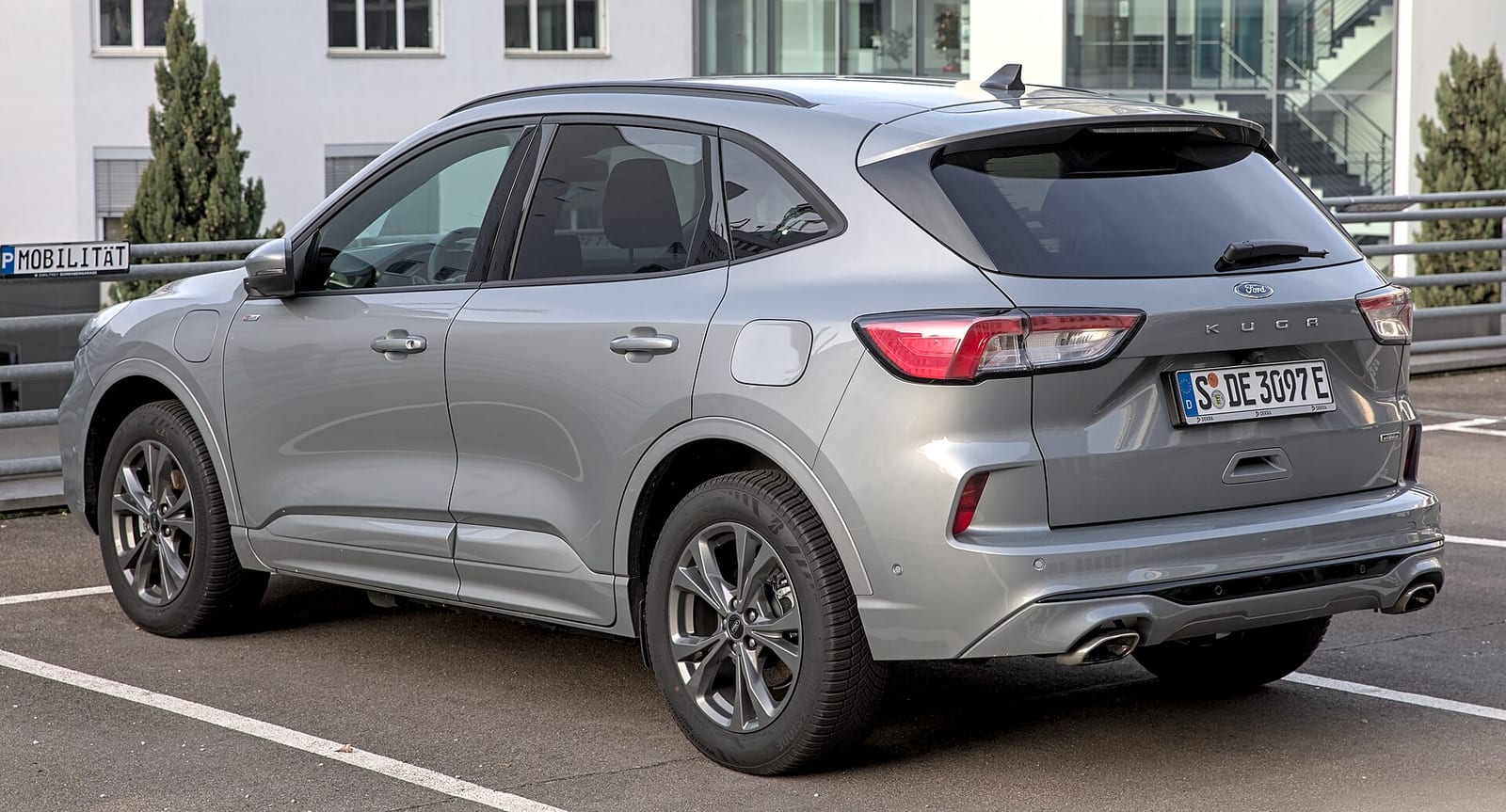
Jim Baumbick of Ford Europe called the sudden rule changes self-destructive, noting that billions in earlier investments relied on the old framework. Take the Ford Transit as a clear example. It relies on British and German engineering, while over half of its parts come from European Union suppliers and more than thirty percent come from Britain and Turkey. Because final assembly takes place in Turkey, the vehicle risks missing out on the Made in Europe label, throwing business plans into chaos. Trade groups like the SMMT and ACEA warn that shutting out Britain threatens a yearly trade relationship worth eighty billion euros.
Ownership And Security Scrutiny
Across the Atlantic, political pressure is building around company shareholdings and technology partnerships. Lawmakers on a House select committee recently gave a major German carmaker until December first to answer questions regarding its Chinese shareholders and R and D access. State-owned Beijing Automotive Group and Geely chairman Li Shufu each hold nearly ten percent of the company, creating twin holdings that members of Congress view as a national security risk.
Discussions in Washington touch on potential bans for automakers with significant foreign ownership. A Senate committee approved a bill in July proposing a fifteen percent threshold that would affect this manufacturer, though lawmakers expect an exemption will ultimately protect it, much like Volvo Cars. Even so, increased scrutiny and data sharing rules could drive up compliance costs and alter which components end up in vehicles sold to drivers.
What To Watch For
Buyers and owners should keep a close eye on how these regulatory battles unfold in the coming weeks. Changes to trade rules and subsidy definitions can shift vehicle availability, parts pricing, and development timelines for popular commercial and passenger models. Watch for updates from upcoming political summits and legislative votes to see if lawmakers soften or tighten these boundaries.
Have something to say about cars too?
Write an article for KAR, free. We read it before it goes live, under your name.
Think something in this article infringes your copyright? Tell us.
Continue your research
All articles →-
Industry News
Ford Puma Dominates in Greece as Production Hits One Million
Over half of Ford passenger sales in Greece are Pumas. With one million units built, the mild-hybrid crossover remains the cornerstone of the brand.

-
Industry News
European Pricing Oddities And Hybrid Deals In Greece
We look at why Europe's best selling car costs thousands less in Greece, alongside a new pricing push for hybrid family SUVs.
-
Industry News
EU Backtracks on 2035 Combustion Ban for Car Makers
European legislators voted to ease upcoming emissions rules, giving combustion engines more room to survive past 2035.