FIA Reconsiders the 50/50 Formula 1 Power Unit as V8 Return Moves Closer
Formula 1’s 2026 engine revolution is already taking an unexpected turn. As drivers struggle with complex energy management and the sport moves away from its original 50/50 power split, the FIA is now openly considering a future built around a sustainable-fuel V8.
Trusted by
A Bold New Era
Formula 1’s bold 2026 engine revolution was supposed to redefine the future of the sport. Instead, just months into the new regulations, the FIA and Formula 1 have already begun moving away from one of their most ambitious ideas: the near 50/50 split between combustion and electric power. With drivers increasingly frustrated by energy-management demands, the sport is now looking toward a very different future — one that could eventually bring back the legendary V8 engine.
The 50/50 Power Balance
The 2026 regulations retained the 1.6-litre turbocharged V6 architecture but dramatically increased the role of electrical power. The internal-combustion engine produces around 400kW, while the MGU-K can deliver up to 350kW, creating an almost equal contribution from the two power sources.
Problems on Track
The concept was designed around Formula 1’s push toward electrification and sustainability. However, reality on the track has exposed problems that were difficult to predict during the regulation-writing process. Drivers have complained about having to constantly manage electrical energy rather than simply pushing the car to its limits. At some circuits, cars can even experience significant power reductions when their available electrical energy is depleted.
Moving Away from 50/50
The reaction has already produced concrete changes. Formula 1 has agreed to move away from the 50/50 power balance, increasing the contribution of the internal-combustion engine. The split is planned to move toward approximately 58/42 in 2027 and 60/40 in 2028.
The V8 Could Return
The FIA President has been pushing for Formula 1 to return to V8 engines running on sustainable fuel from around 2031 — potentially even earlier if the teams and manufacturers agree. Formula 1 leadership has also confirmed that work is underway on the next generation of engine regulations, with a future package potentially ready for discussion by the end of 2026.
A Modern V8
The idea would not simply be a return to the V8 engines of the past. Instead, Formula 1 could combine a simpler V8 internal-combustion engine with sustainable fuels and a smaller, more manageable electric component. The objective would be to maintain the environmental progress of modern F1 while restoring the simplicity, character and driver involvement that made previous generations of the sport so popular.
More Than Just an Engine
A potential V8 return would also represent a change in what Formula 1 wants its cars to feel like. The current generation places enormous importance on energy deployment and regeneration. A future V8-based formula could instead prioritize lighter cars, sustainable fuel, straightforward power delivery and giving drivers greater freedom to push.
Putting Drivers First
The future regulations are expected to focus on a simpler formula, lighter cars, sustainable fuel and electrification while allowing drivers to push as hard as possible. This could mark a major change in philosophy, putting racing and driver skill ahead of complicated energy-management strategies.
A Surprising Comeback
The FIA may not literally be admitting that the 50/50 concept was a mistake. However, the rapid move away from it tells its own story. A regulation designed to define the future is already being revised, while the governing body is openly considering an engine architecture that seemed impossible only a few years ago.
The Return of the V8 Era?
Nothing is officially guaranteed yet. The final engine regulations for the post-2030 era still have to be negotiated between the FIA, Formula 1, teams and manufacturers. Nevertheless, the direction is becoming increasingly clear. If the current plans continue, the roar of a V8 could once again echo around Formula 1 circuits in the early 2030s — perhaps proving that, in its attempt to reinvent the future, Formula 1 is beginning to rediscover what made it special in the first place.

Continue your research
All articles →-
Industry News
Toyota Just Made Getting Into Motorsport Much Easier With the New GR KART
Toyota has launched the GR KART, an entry-level racing kart designed for children and families. At 2.150€, it brings GR branding, a 215cc engine and a surprisingly practical ownership package to the world of karting.

-
Industry News
Why Everyone Wants to Win Le Mans Again: The Race That Became More Important Than Formula 1
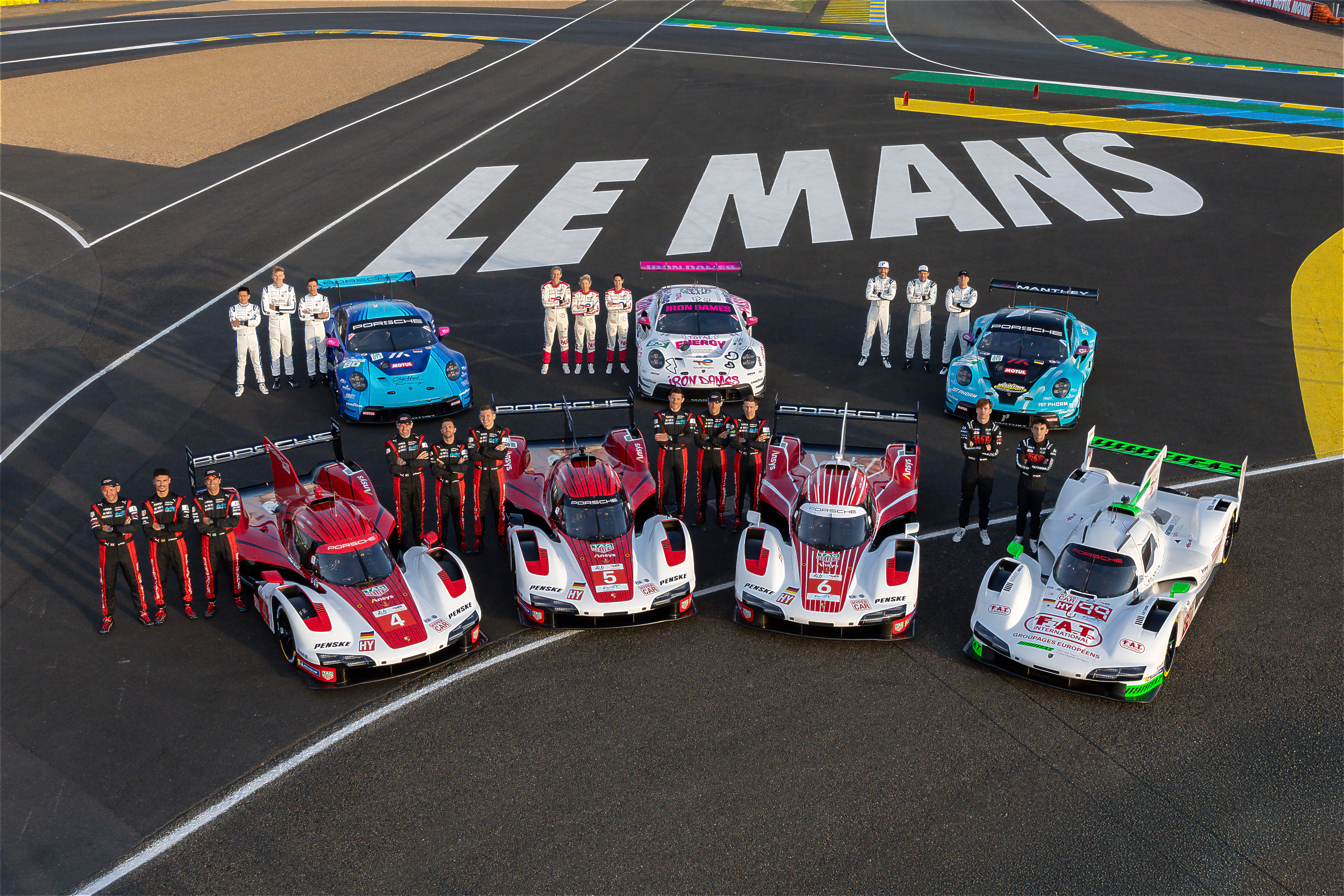
For decades, Formula 1 has represented the ultimate motorsport dream. But today, the world’s biggest automotive manufacturers are returning to a different battlefield: the 24 Hours of Le Mans. With Ferrari, Porsche, Toyota, BMW, Cadillac and other giants fighting for victory, Le Mans has become more than a race. It is a global engineering competition where performance, reliability and innovation are tested under the harshest conditions. Why is winning Le Mans becoming one of the most valuable achievements in the automotive world?
-
Industry News
Honda Turns to Mitsubishi for a Real Ladder-Frame Truck
Honda plans to launch a traditional body-on-frame pickup built by Mitsubishi from 2028, targeting global markets beyond its unibody Ridgeline.
