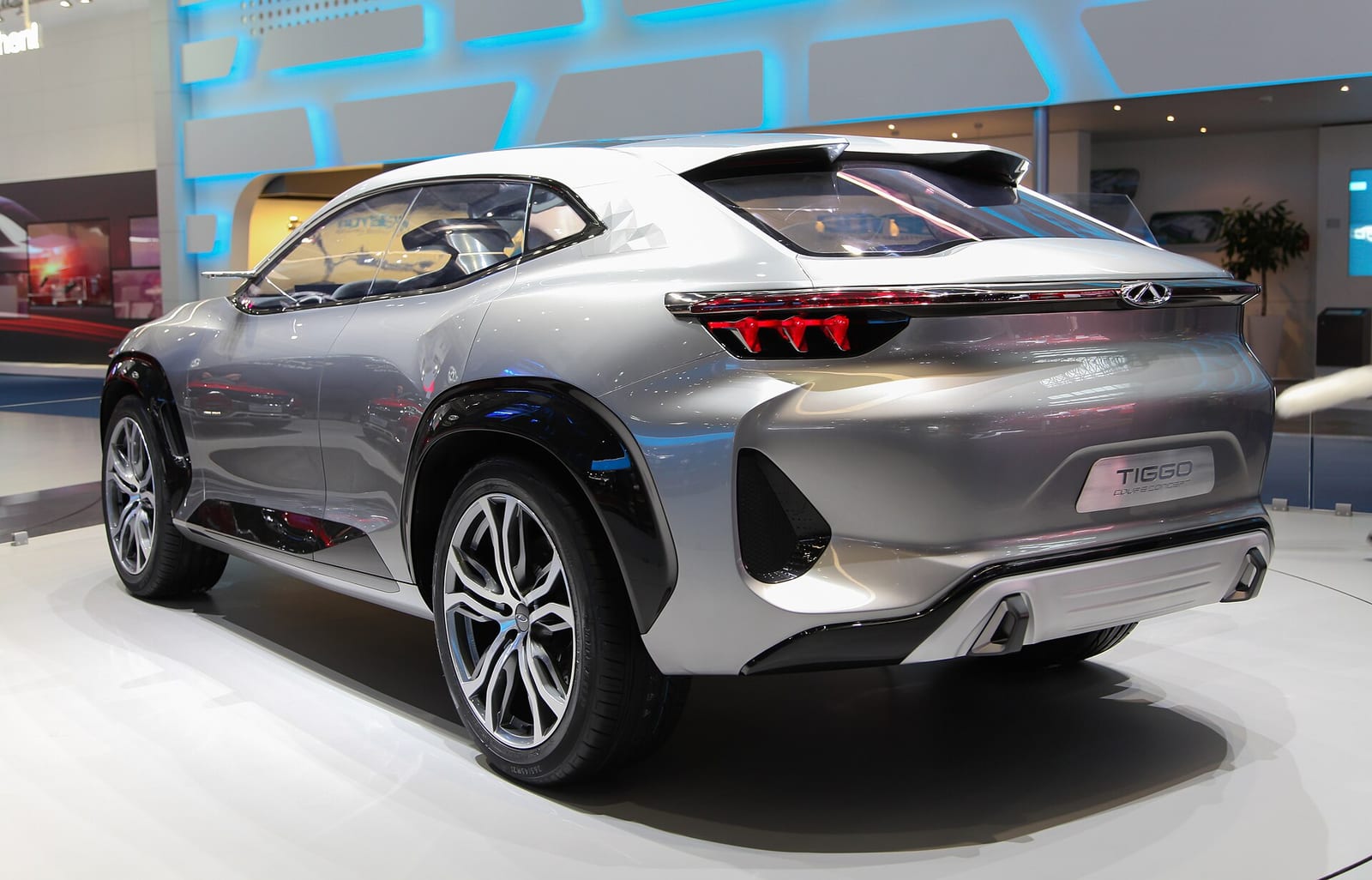
Chery Claims European Sales Crown as British Factory Plans Take Shape
Chinese manufacturer Chery leads European sales as chairman Yin Tongyue reveals ambitious plans for UK production and a deeper partnership with JLR.
Trusted by

The Rise to European Market Leadership
Chinese automotive manufacturers achieved a historic milestone recently, registering 194,760 vehicles in a single month and capturing a 14.6 percent market share according to preliminary Dataforce figures. This performance represents a 104 percent increase compared to the same period in 2025. Within this rapidly expanding sector, Chery claimed the top spot in the overall manufacturer rankings for the first time, surpassing major rivals like BYD and SAIC. The broader Chery group, which oversees subsidiaries such as Omoda, Jaecoo, Jetour, and Lepas, recorded 56,552 registrations.
Looking at the wider picture for the first nine months of the year, Chery leads the segment with 283,075 sold vehicles, maintaining a narrow margin ahead of BYD, while MG sits closely behind in third place. Total sales for Chinese brands across Europe have reached approximately 1.12 million cars since the beginning of the year, nearly doubling their overall market penetration to 10.5 percent. A significant driver of this momentum is the plug-in hybrid category, where Chinese models achieved 73,952 registrations in a single month, capturing 38 percent of that specific market.
Local Manufacturing Ambitions and British Ties
While European sales figures climb, Chery leadership has set its sights on establishing a physical footprint within the UK market. Chairman Yin Tongyue stated that the firm wishes to become a British brand through localized design, engineering, and production. The company already operates an engineering center at UTAC Millbrook in Bedfordshire and previously signed a Memorandum of Understanding with Nissan to potentially utilize spare manufacturing capacity at Sunderland.
These moves come in response to potential import tariffs that might be weighed by Business Secretary Jonathan Reynolds, as well as broader industry disruptions following a cyber attack on Jaguar Land Rover and US import tariffs that pushed UK car production to a 73-year low in 2025. Chery and JLR already share a foundational history through their 2012 joint venture for Chinese market SUVs and the recent licensing of JLR intellectual property for the Freelander brand. Mr Yin noted a desire to help JLR resume its former volume scale and even hinted at aspirations to revitalize a classic sports car company.
What This Means for Car Buyers
For motorists shopping for a new vehicle, the shifting landscape brings both opportunities and considerations. The intense rivalry among importers is driving rapid model expansion, particularly in the plug-in hybrid sector where Chinese marques hold immense strength. Buyers gain access to high volumes of new choices, ranging from upcoming Omoda models to well-stocked showroom floors, although pricing strategies may shift if new trade tariffs materialize across different regions.
At the same time, prospective owners should weigh the implications of rapid brand expansion against long-term dealer support and parts availability. While companies adjust prices and margins to suit local competition, moving production closer to European and British soil could eventually stabilize parts supply chains and safeguard local employment. Evaluating alternative European options remains wise while these massive structural shifts unfold across the industry.
What to Watch Next
Keep a close eye on upcoming trade policy announcements regarding vehicle tariffs, as government decisions will directly impact import pricing and local assembly timelines. Watch for official announcements regarding a potential deeper collaboration between Chery and Jaguar Land Rover, which could reshape British manufacturing.
Continue your research
All articles →-
Industry News
Chery Reveals Rugged Tiggo X7 and New Tiggo 7
Chery launched its rugged Tiggo X7 and a new generation Tiggo 7 at an event in Wuhu, signaling a push into lifestyle models.
-
Industry News
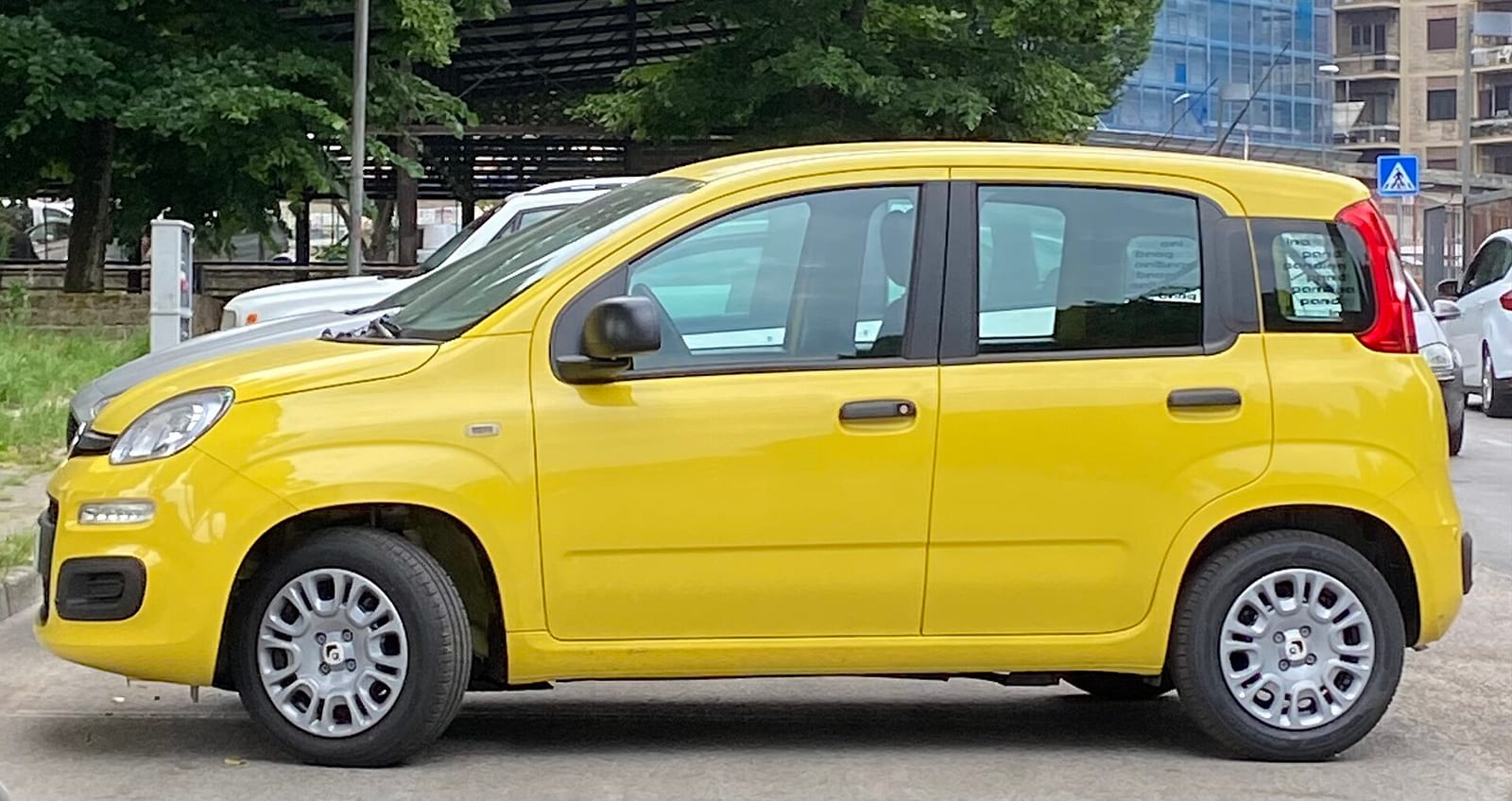
Fiat Pandina Tributo Autobianchi revives an icon to top the A-segment
Fiat caps its best-selling Pandina hybrid line-up with a nostalgic tribute to the Autobianchi Y10, featuring distinctive retro styling and bespoke cabin trims.
-
Industry News
How a Single Earthquake in Kyushu Just Knocked Out Toyota, Honda, and a Global Chipmaker at Once
A 7.1-magnitude earthquake in Kumamoto has halted Lexus production, shut a Honda motorcycle plant, and stopped a major chipmaker's cleanrooms — a live test of whether a decade of supply-chain fixes has actually freed Japan's auto industry from its oldest vulnerability.